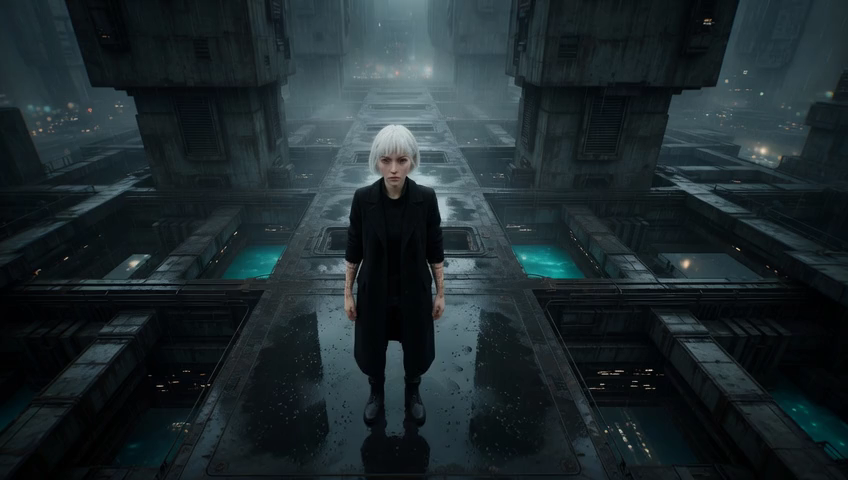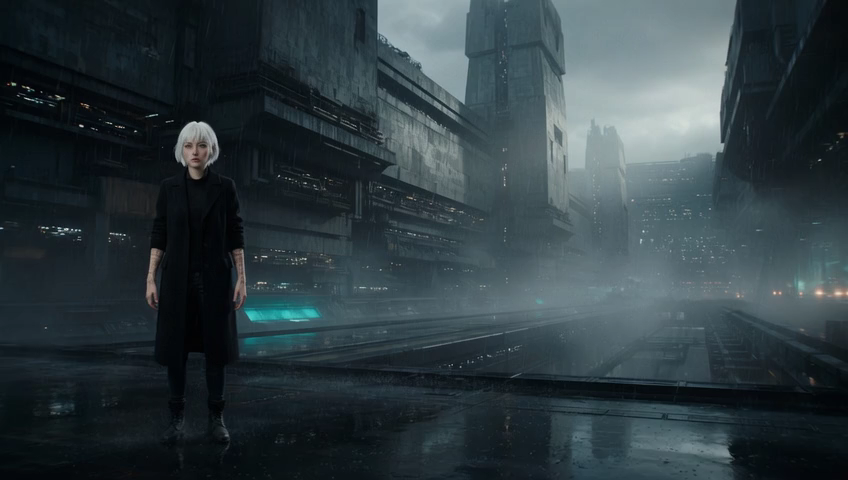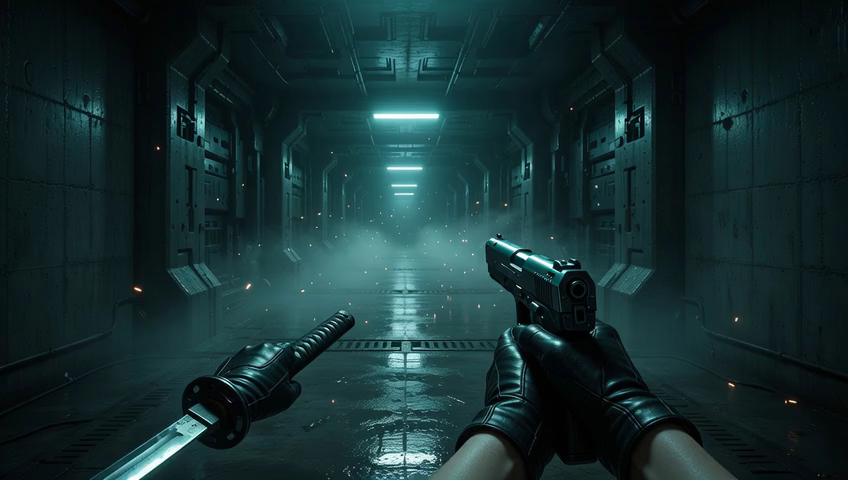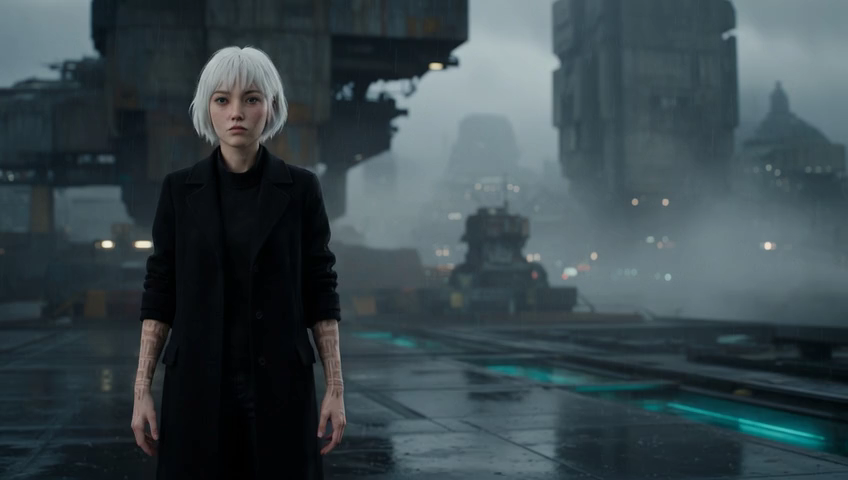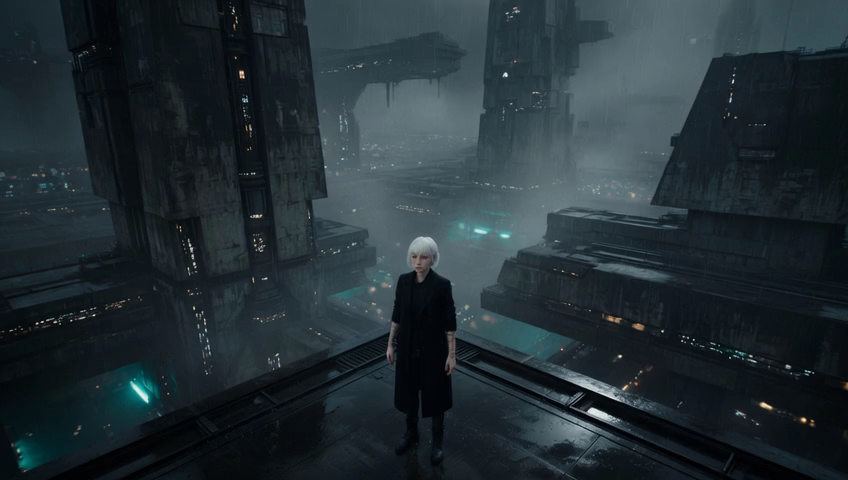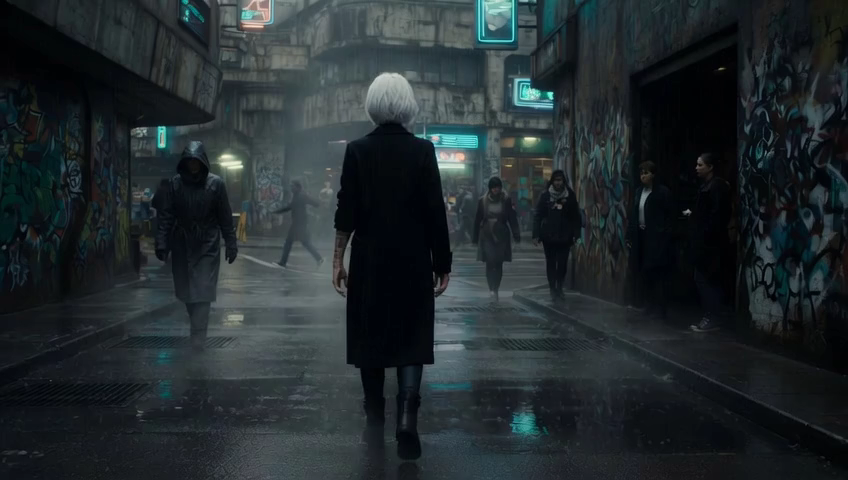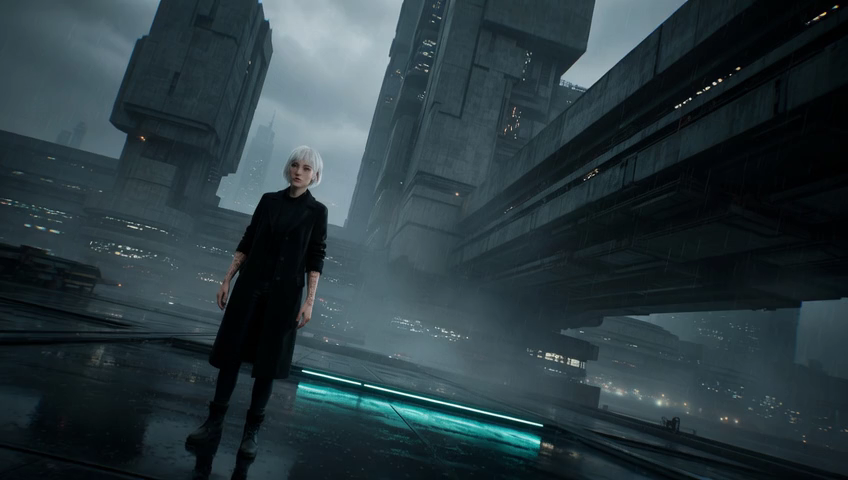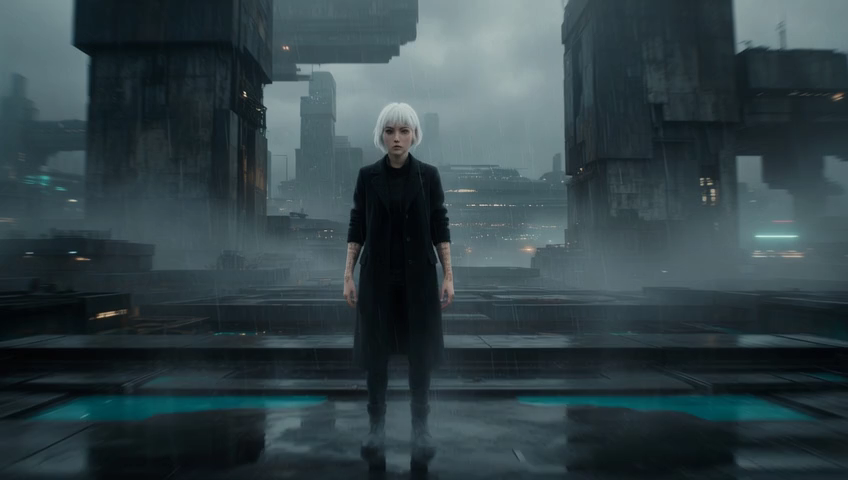
AChau AI // Cinematique Library // 150+ Cinematic Prompts

The Cinematic AI Prompt & Direction Matrix

Thư viện 150+ kỹ thuật điện ảnh chuẩn hóa: Góc máy, chuyển động camera, bố cục và ánh sáng kinh điển — tích hợp sẵn Prompt Templates thực chiến cho Midjourney v6, Runway Gen-3, Kling 1.5, Luma & Google Veo.

150 Techniques
7 Disciplines
Universal Prompt Formats
4K // 24FPS Motion Reference
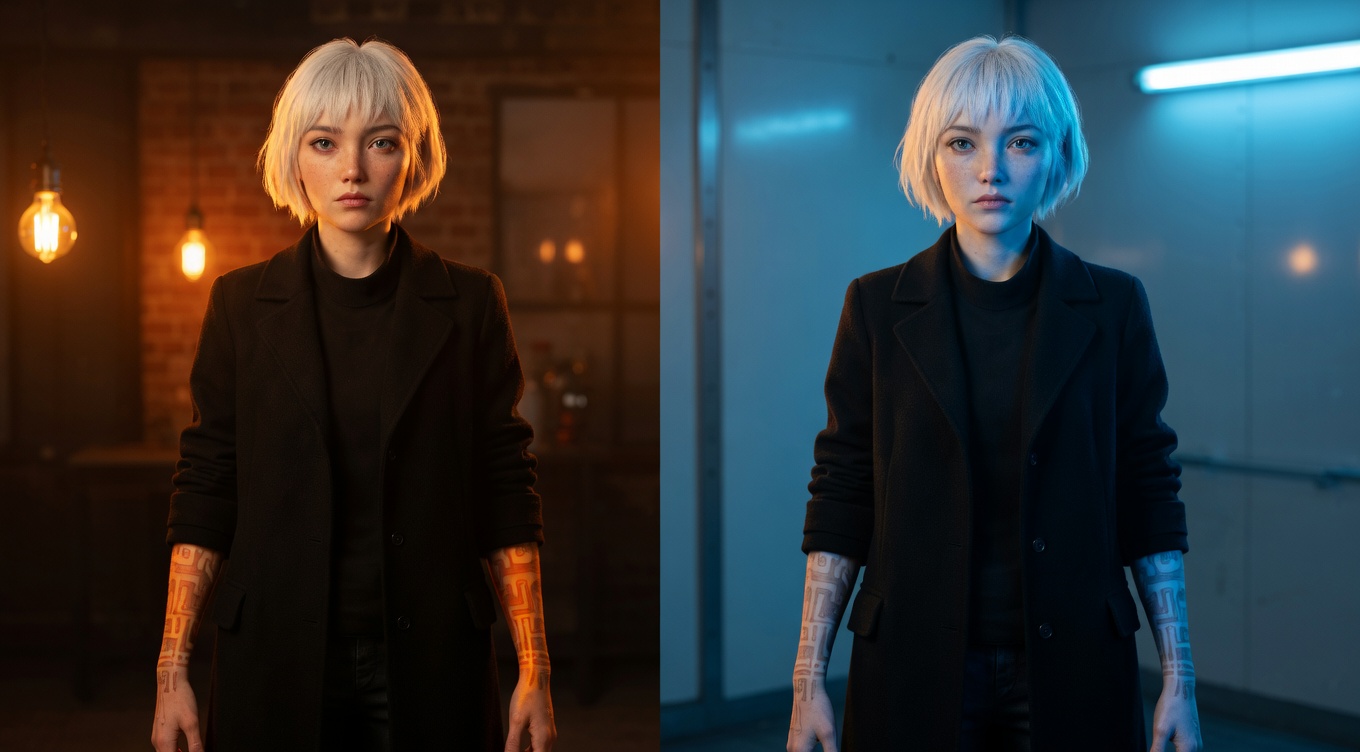
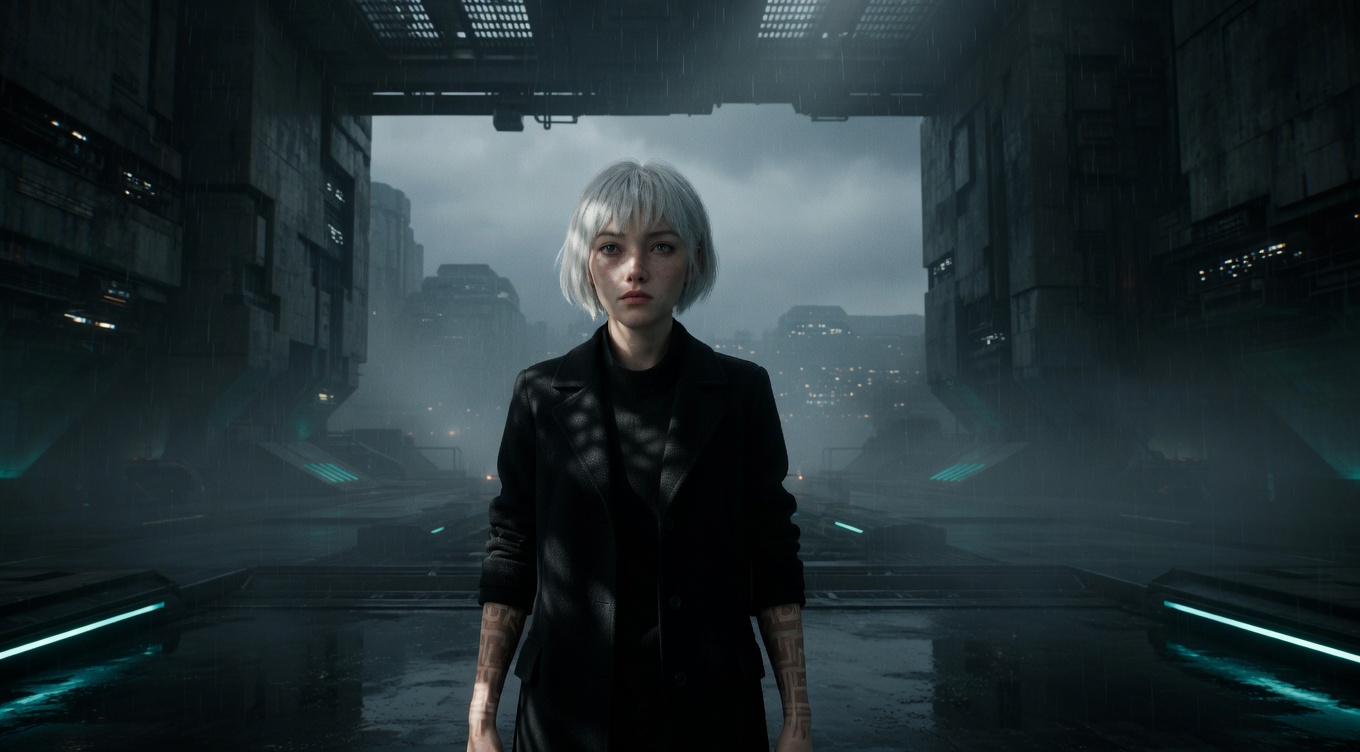
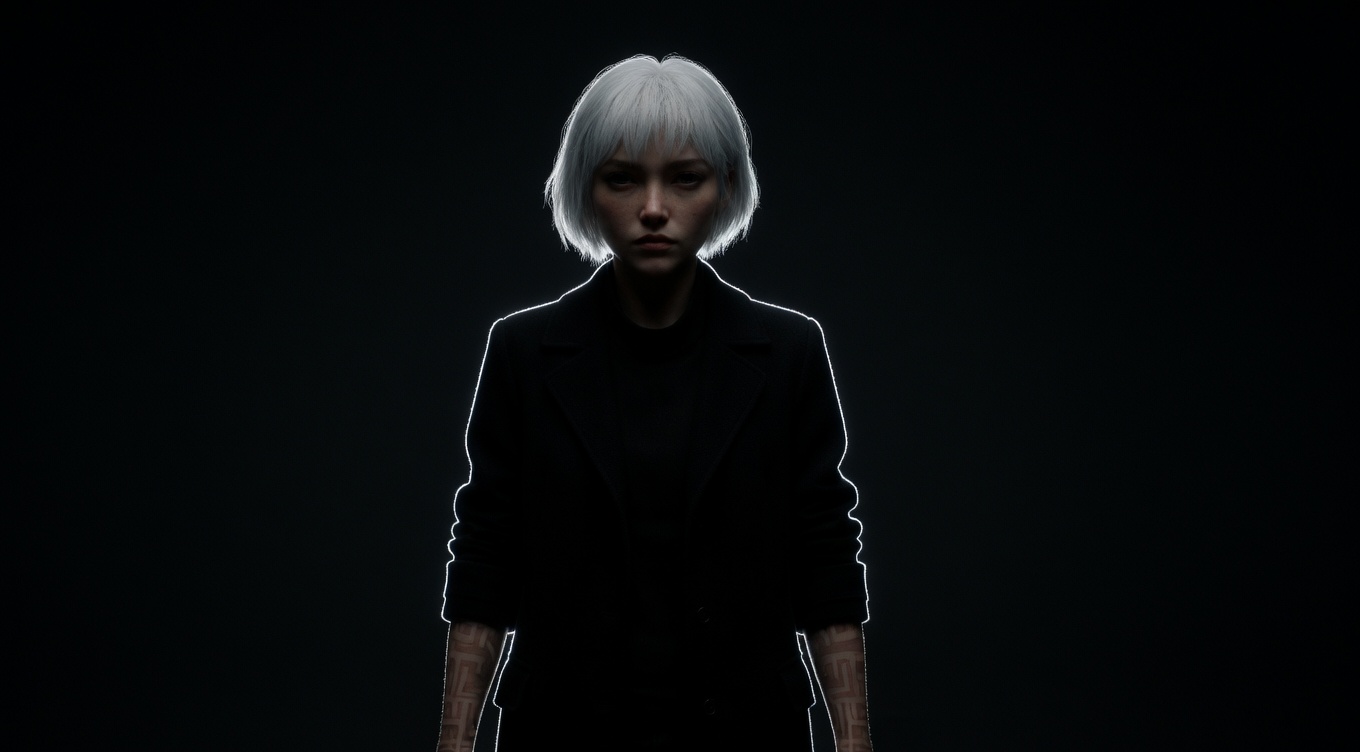
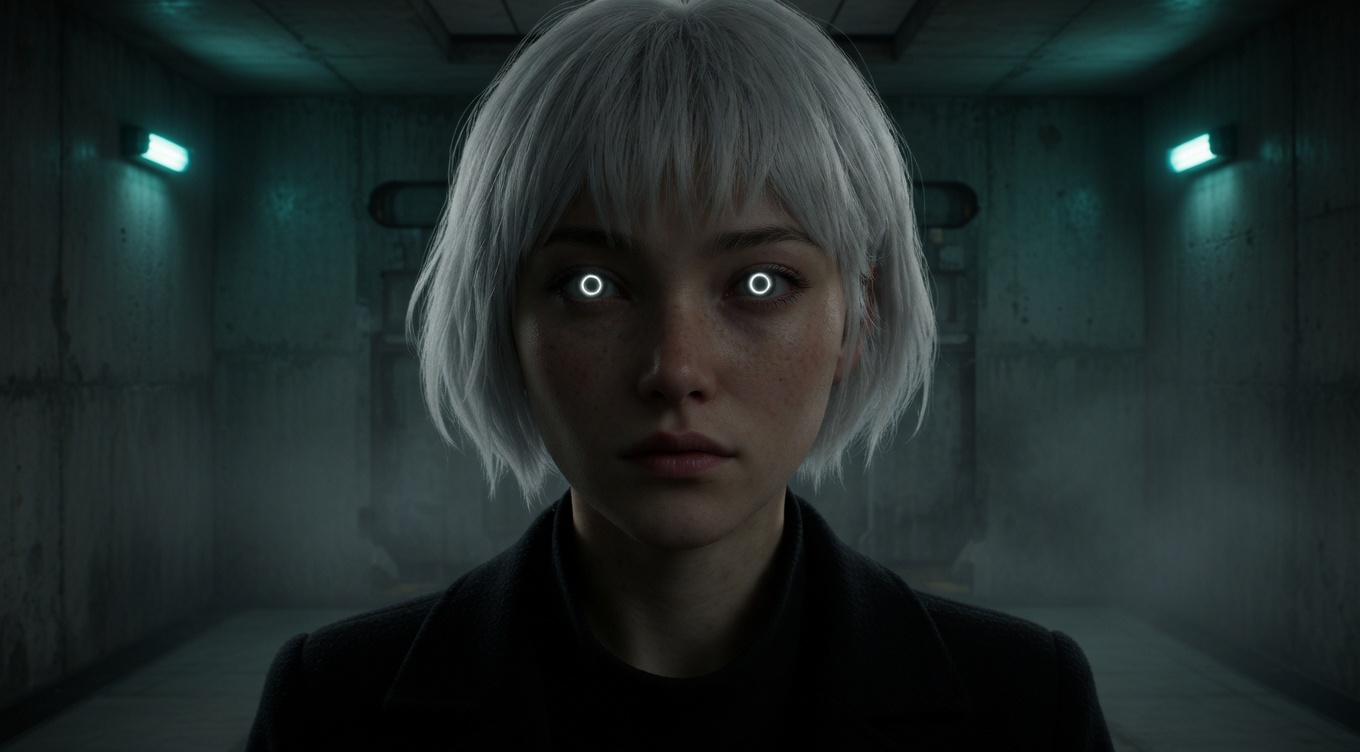
Showing 150 of 150 techniques READY-TO-COPY PROMPT MATRIX // HOVER CARD FOR MOTION PREVIEW
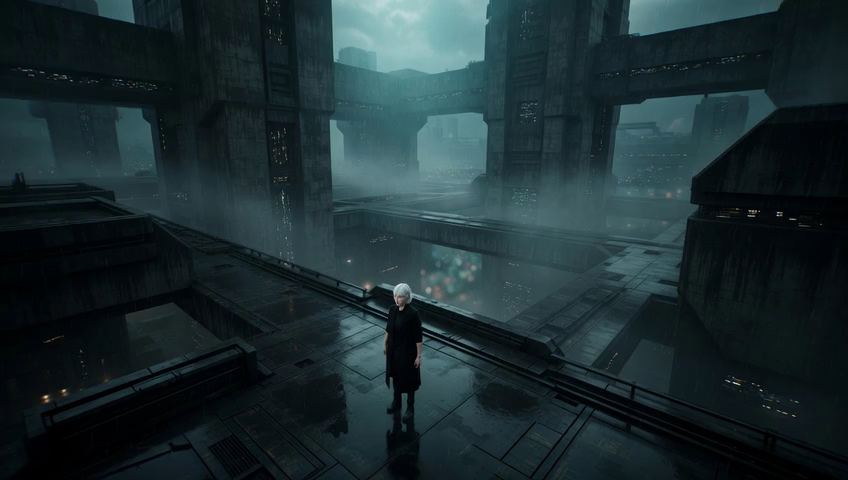
Aerial Shot cinematic preview
Camera Work Intermediate

Aerial Shot

A shot captured from high above the ground, typically using a drone or helicopter, providing a sweeping view of landscapes, cityscapes, or large-scale action. The aerial perspective conveys omniscienc...

Sweeping aerial shot of [Subject] seen from 300 feet above, captured at golden hour with warm amber light painting one side of the terrain while the other falls into deep violet shadow, volumetric god rays piercing through scattered cumulus clouds, shot on ARRI Alexa 65 with Hasselblad glass, 8K resolution, Kodak Vision3 250D color science, subtle atmospheric haze layering depth into the landscape
Bird's Eye View cinematic preview
Camera Work Intermediate

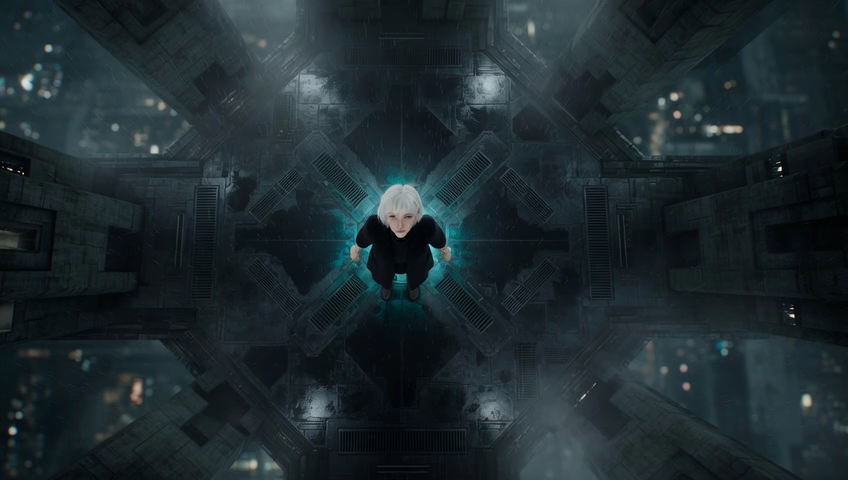
Bird's Eye View

A shot taken from directly overhead, looking straight down on the subject, creating a god-like perspective that can make subjects appear small and insignificant or reveal patterns invisible from groun...

Bird's eye view looking straight down on [Subject], the camera positioned directly overhead creating a flattened god-like perspective where depth is eliminated and everything becomes pattern and geometry, long shadows stretching from each element, shot on medium format digital with a 40mm equivalent lens, muted teal and gold color palette, forensic sharpness from edge to edge
Close-Up cinematic preview
Camera Work Basic

Close-Up

A tightly framed shot that fills the screen with a subject's face or a specific detail, revealing emotions, textures, and subtle details invisible in wider shots. Carl Theodor Dreyer's "The Passion of...

Tight close-up of [Subject] filling the entire frame, every pore and texture rendered in sharp detail, shallow depth of field with background dissolving into creamy bokeh, warm sidelight from a single source, shot on Cooke S4 75mm at T2, Kodak Vision3 500T color science
Dutch Angle cinematic preview
Camera Work Basic

Dutch Angle

A shot where the camera is tilted on its roll axis, creating a diagonal horizon line to convey unease, disorientation, tension, or a character's disturbed psychological state. Carol Reed made the Dutc...

[Subject] framed at a sharp 25-degree Dutch angle, vertical lines tilting diagonally across the frame, long distorted shadows, overhead lighting casting fractured geometric patterns, 35mm film grain, Zeiss Super Speed 25mm, anamorphic edge distortion
Dolly Shot cinematic preview
Camera Work Intermediate

Dolly Shot

A smooth camera movement where the entire camera physically moves toward, away from, or alongside the subject on a wheeled platform or track, creating an immersive sense of movement through space. Ors...

Smooth dolly shot gliding toward [Subject], the camera at eye level moving with buttery precision on dolly track, parallax effect separating foreground elements from the mid-ground subject from far-ground details, shot on 35mm with Panavision Primo lenses, rich blacks and saturated warm tones, the elegant motion of precision dolly track work
Establishing Shot cinematic preview
Camera Work Basic

Establishing Shot

A wide shot typically used at the beginning of a scene to set the context, showing the location, time of day, and spatial relationships before cutting to closer action. Stanley Kubrick's establishing ...

Wide establishing shot of [Subject] at blue hour, deep indigo sky with the last traces of sunset, a few warm lights glowing from within, atmospheric haze softening the distance, shot on ARRI Alexa with Zeiss Master Primes, desaturated cool palette with selective warm accents, architectural precision meets cinematic storytelling
Extreme Close-Up cinematic preview
Camera Work Basic

Extreme Close-Up

An intensely tight shot focusing on a very specific detail — an eye, a hand trembling, a drop of sweat — amplifying significance and forcing the viewer into intimate proximity with the subject. Sergio...

Extreme macro close-up of [Subject] filling the entire frame, every microscopic detail rendered with clinical precision, ring light creating a circular catchlight, razor-thin depth of field at f/2.8 on a 100mm macro lens, Fujifilm Velvia-inspired saturated color science, the forensic intimacy of extreme proximity
Extreme Long Shot cinematic preview
Camera Work Basic

Extreme Long Shot

A very wide shot where the subject appears small against a vast environment, emphasizing scale, isolation, or the overwhelming nature of the surroundings. David Lean defined the technique in "Lawrence...

Extreme long shot of [Subject] barely visible against a vast landscape stretching to the horizon, a single long shadow the only vertical element in a perfectly horizontal world, sky gradient from pale white at the horizon to deep cerulean overhead, shot on large format 65mm film, infinite depth of field rendering everything sharp from feet to infinity, Lawrence of Arabia scale and desolation
Eye-Level Shot cinematic preview
Camera Work Basic

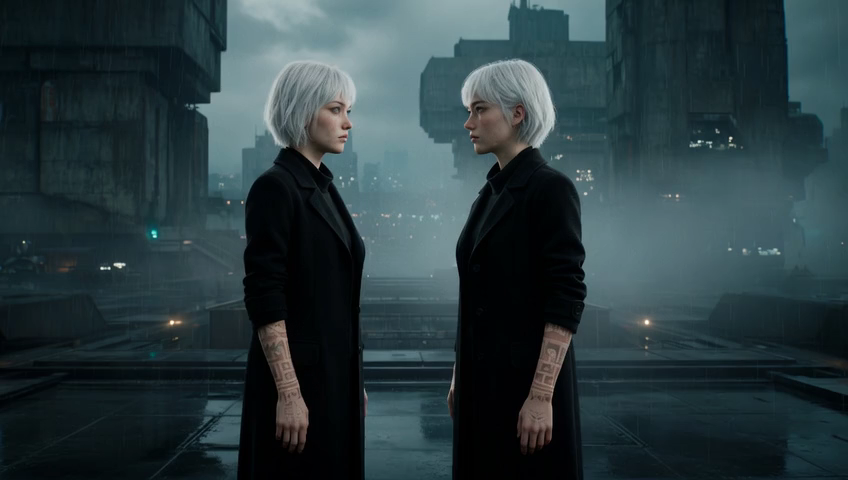
Eye-Level Shot

A neutral shot taken at the subject's eye height, the most natural and common camera angle, creating a sense of equality and objectivity between viewer and subject. Yasujiro Ozu famously placed his ca...

Eye-level shot of [Subject] with the camera positioned exactly at their eye height creating a direct and equal relationship with the viewer, natural available light providing gentle directional illumination, no dramatic angles or manipulation, shot on 16mm film stock with gentle grain, naturalistic color palette, intimate documentary stillness
Handheld Shot cinematic preview
Camera Work Basic

Handheld Shot

Camera held by the operator without stabilization, resulting in natural shake and movement that creates raw immediacy, documentary realism, or frantic energy depending on context. John Cassavetes pion...

Handheld camera following [Subject], natural shake and breathing motion in the frame, motion blur on fast-moving elements, the gritty texture of Super 16mm film pushed two stops in processing, desaturated color with blown-out highlights, the raw unfiltered energy of being inside the moment rather than observing it
Head-On Shot cinematic preview
Camera Work Intermediate

Head-On Shot

A shot where the subject moves or faces directly toward the camera, creating a confrontational, powerful feeling as the subject approaches or stares directly at the viewer. Stanley Kubrick mastered th...

Head-on shot of [Subject] moving directly toward the camera with perfect bilateral symmetry, the camera holding its ground as the figure grows larger in frame, shot on anamorphic 40mm Panavision C-series glass with slight barrel distortion adding menace, teal shadows and amber highlights, the confrontational energy of direct approach
High Angle Shot cinematic preview
Camera Work Basic

High Angle Shot

Camera positioned above the subject, looking down, making the subject appear smaller, weaker, or more vulnerable while also providing a broader view of the scene layout. Alfred Hitchcock used high ang...

High angle shot looking down on [Subject], the perspective making them appear impossibly small and vulnerable, the camera positioned high above, shot on Arriflex with a 21mm wide lens to exaggerate spatial distortion, muted institutional color palette with a single color accent
Insert Shot cinematic preview
Camera Work Basic

Insert Shot

A close-up cut to a specific detail within a scene — a ticking clock, a letter, a weapon being drawn — directing audience attention to a crucial narrative element. Hitchcock was the supreme master of ...

Insert shot of [Subject] isolated in tight framing, warm lamplight casting a golden glow while the surrounding space falls into shadow, shot with a macro lens at f/2 creating razor-thin focus, Kodak 5219 500T film stock warmth, the weight of consequence concentrated in a single object
Long Shot cinematic preview
Camera Work Basic

Long Shot

Shows the subject's full body within their environment, balancing character and setting while establishing spatial relationships and keeping the subject identifiable. John Ford used the long shot to p...

Long shot of [Subject] with the full figure visible from head to foot, the scale of the environment dwarfing the human figure while the figure's posture radiates quiet authority, shot on 65mm large format with a 50mm lens, rich Technicolor-inspired warm palette, the mythic framing of classic cinema
Low Angle Shot cinematic preview
Camera Work Basic

Low Angle Shot

Camera positioned below the subject, looking up, making the subject appear dominant, powerful, heroic, or imposing. Orson Welles used low angles obsessively in "Citizen Kane," famously requiring trenc...

Low angle shot looking up at [Subject] from below, the camera positioned at ground level shooting upward through converging vertical lines, shot on Cooke S4 18mm wide-angle lens exaggerating the height distortion, high-contrast Kodak Double-X black and white aesthetic, Citizen Kane grandeur
Master Shot cinematic preview
Camera Work Intermediate

Master Shot

A continuous wide shot that captures the entire scene from start to finish, serving as the foundation over which closer coverage is layered in editing. Robert Altman was famous for shooting elaborate ...

Wide master shot of [Subject] with all elements visible simultaneously, every figure precisely blocked to create a composition of intersecting eyelines and subtle tensions, shot on 35mm with a 27mm lens from a tripod, classical Hollywood staging with Altman-esque layered naturalism
Medium Shot cinematic preview
Camera Work Basic

Medium Shot

Frames the subject from roughly the waist up, the workhorse of dialogue scenes — close enough to read expressions but wide enough to capture body language and gestures. Howard Hawks built his entire d...

Medium shot of [Subject] framed from the waist up, the perfect conversational distance that reveals both facial expression and the eloquent language of hands, shot on a 50mm lens at T2.8, Kodak Vision3 200T with rich warm midtones
Over-the-Shoulder cinematic preview
Camera Work Basic

Over-the-Shoulder

Shot framed from behind one character, looking past their shoulder at another, the standard coverage for dialogue that creates spatial relationships and a sense of being within the conversation. The s...

Over-the-shoulder shot with the near figure's shoulder and jaw soft and dark in the foreground, [Subject] sharply in focus in the mid-ground, the spatial depth between the two figures loaded with tension, shot on a 65mm lens at T2 creating a narrow depth of field, rich chiaroscuro lighting with deep umber shadows and warm golden highlights
Overhead Shot cinematic preview
Camera Work Intermediate

Overhead Shot

Camera positioned directly above the scene looking straight down, similar to bird's eye but typically closer, often used for tabletop scenes, maps, or choreographed action. Wes Anderson uses overhead ...

Overhead shot looking straight down on [Subject], the flat geometric arrangement rendered as graphic composition, natural north-light creating soft even illumination with no harsh shadows, shot on medium format with a 55mm lens, clinical sharpness of top-down perspective, Wes Anderson-level compositional precision
Pan Shot cinematic preview
Camera Work Basic

Pan Shot

A horizontal rotation of the camera on a fixed axis, sweeping left or right to reveal the breadth of a space, follow lateral movement, or connect subjects across a scene. John Ford's slow, reverent pa...

Slow panoramic pan revealing [Subject], the camera rotating smoothly on a fluid head, the steady horizontal sweep connecting a wide expanse of visual information, shot on 35mm anamorphic with Panavision E-series glass, the ultra-wide field of view compressing the panorama into a layered ribbon of texture, cool teal shadows against warm highlight tones
P.O.V. Shot cinematic preview
Camera Work Intermediate

P.O.V. Shot

Shows the scene exactly as a character sees it, placing the viewer inside their subjective experience and creating powerful identification and immersion. Hitchcock was the master of POV, using subject...

First-person POV shot through the eyes of [Subject], shallow depth of field mimicking unfocused human vision, subtle lens breathing as focus racks, shot on a wide 14mm rectilinear lens to approximate human field of view, the immersive subjectivity of seeing exactly what the character sees
Rack Focus cinematic preview
Camera Work Intermediate

Rack Focus

A deliberate shift of focus from one subject to another within the same shot, redirecting audience attention without cutting and creating elegant visual transitions between foreground and background. ...

Rack focus shot with [Subject] transitioning between sharp foreground detail and resolved background, the focus pull taking a full two seconds, layers of creamy circular bokeh in the defocused plane, shot on a vintage Canon K35 lens wide open at T1.4 for maximum separation between planes, the shallow depth of field turning focus itself into a storytelling instrument
Slow Motion cinematic preview
Camera Work Basic

Slow Motion

Footage captured at a higher frame rate than playback speed, stretching time to reveal details invisible at normal speed and amplifying impact, beauty, or emotional weight of a moment. Sam Peckinpah r...

Slow motion capture at 240fps of [Subject] suspended in a single stretched moment, dust particles hanging motionless in shafts of light, every fine detail frozen in crystalline clarity, shot on Phantom Flex4K high-speed camera with Zeiss Master Prime glass, time stretched until a single second becomes an eternity of beauty
Steadicam cinematic preview
Camera Work Advanced

Steadicam

A stabilized camera rig worn by the operator that produces smooth, floating movement while following subjects through complex environments, combining the fluidity of dolly work with the freedom of han...

Steadicam tracking shot floating smoothly behind [Subject] through shifting environments, the preternatural smoothness creating a floating predatory presence, shot on Arriflex 35BL with Zeiss Standard Speed lenses, the shifting light temperatures from warm tungsten through cool fluorescent creating a living color journey
Tracking Shot cinematic preview
Camera Work Intermediate

Tracking Shot

The camera moves alongside, behind, or in front of a moving subject, maintaining a consistent spatial relationship to create a sense of journey, pursuit, or accompaniment. Jean-Luc Godard's famous lat...

Lateral tracking shot following [Subject] at shoulder height, the camera keeping perfect pace on a parallel track, smooth parallax separation between foreground, mid-ground, and background layers, shot on 35mm Kodak Vision3 250D with a 40mm Panavision Primo lens, the rhythmic steady accompaniment of a camera that walks with its subject
Vertigo Effect cinematic preview
Camera Work Advanced

Vertigo Effect

Also called a dolly zoom — the camera dollies in while zooming out (or vice versa), causing the background to warp while the subject stays the same size, creating a visceral sense of disorientation. I...

Vertigo effect dolly zoom on [Subject] locked in frame while the background warps and telescopes away in a nauseating spatial contradiction, the zoom and dolly counter-movement perfectly synchronized, desaturated palette with sickly yellow-green undertones, shot on anamorphic glass, Hitchcock's visual language of psychological vertigo made manifest
Crane Shot cinematic preview
Camera Work Advanced

Crane Shot

Camera mounted on a mechanical crane arm that sweeps upward, downward, or across a scene with majestic, controlled movement, often used for dramatic reveals or grand establishing moments. Orson Welles...

Crane shot beginning tight on [Subject] then sweeping upward and backward in a majestic arc to reveal the true surrounding scale, the individual becoming one element among many in a seamless vertical revelation, shot on ARRI Alexa 65 with a 35mm Signature Prime, the mechanical grace of a Technocrane executing a precisely choreographed arc, golden hour light flooding horizontally
One-er (Oner) cinematic preview
Camera Work Advanced

One-er (Oner)

An entire scene captured in a single unbroken take with no cuts, demanding precise choreography of actors, camera, and crew while creating real-time tension and immersive spatial continuity. Alfonso C...

Long unbroken single take following [Subject] through shifting environments, the entire journey unbroken for minutes of choreographed spatial continuity, shot on Steadicam with an ARRI Alexa Mini and Cooke S4 21mm lens, the shifting light temperatures creating a living color journey through the space
Tilt Shot cinematic preview
Camera Work Basic

Tilt Shot

A vertical rotation of the camera on a fixed axis, tilting up or down to reveal height, scan a character from feet to face, or follow vertical action. Hitchcock used the slow tilt masterfully in "Psyc...

Slow tilt shot beginning at the feet of [Subject] and climbing vertically up their body, the deliberate vertical scan building anticipation, each detail telling the character's story before the face is revealed, shot on 85mm telephoto compressing the vertical layers, Kodak Vision3 500T with cool overcast color rendition
Whip Pan cinematic preview
Camera Work Intermediate

Whip Pan

An extremely fast horizontal pan that creates motion blur, used as a dynamic transition or to convey sudden surprise, rapid shifts of attention, or frenetic energy. Edgar Wright made the whip pan his ...

Whip pan snapping to [Subject], heavy horizontal motion blur streaking the environment into abstract ribbons of color, the blur lasting just three frames before resolving into razor sharpness, shot on high-speed camera with a 35mm Zeiss Master Prime, raw visceral kinetic energy
Two-Shot cinematic preview
Camera Work Basic

Two-Shot

A shot framing exactly two subjects, showing their spatial and emotional relationship, essential for establishing dynamics between characters in conversation, confrontation, or intimacy. Billy Wilder ...

Two-shot of [Subject] framed together, their bodies creating complementary angles, the space between them charged with everything said and unsaid, shot on a 50mm Summilux at f/1.4 with gentle background blur, Kodak Portra 400 color rendition with soft warm midtones, the quiet eloquence of two figures in shared space
Three-Shot cinematic preview
Camera Work Intermediate

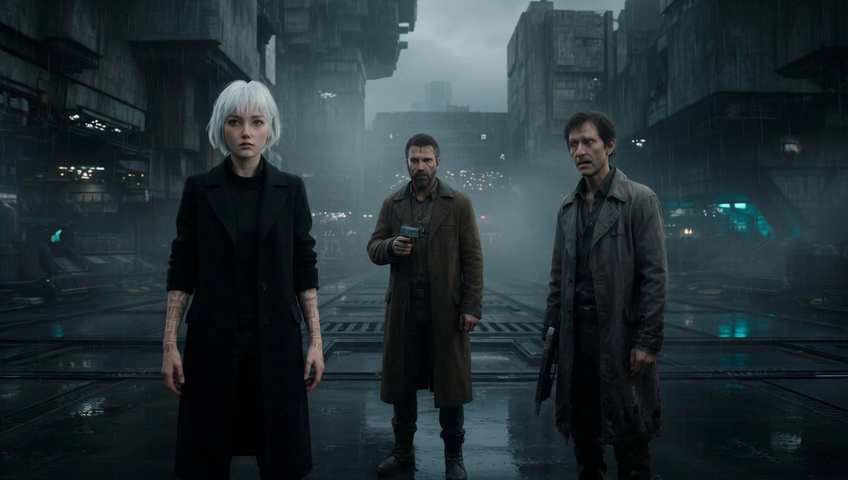
Three-Shot

A shot framing three subjects, often used to show group dynamics, alliances, or the odd-one-out tension within a trio. Sergio Leone perfected the three-shot in the climactic standoff of "The Good, the...

Three-shot of [Subject] arranged in a triangular composition across the widescreen frame, each occupying their own third, the triangular formation revealing tension between completely different energies colliding at a single point, shot on anamorphic 50mm with the wide frame emphasizing space between the three figures
Cowboy Shot cinematic preview
Camera Work Basic

Cowboy Shot

Frames the subject from roughly mid-thigh up, named after Western films where the frame needed to include a gunslinger's holstered weapon, conveying casual authority. Sergio Leone codified this framin...

Cowboy shot of [Subject] framed from mid-thigh up, hands hanging loose at their sides, the figure's posture radiating coiled readiness beneath apparent calm, shot on Techniscope 2-perf 35mm for a gritty widescreen look, warm dusty color palette of ochre and leather brown
Medium Close-Up cinematic preview
Camera Work Basic

Medium Close-Up

Frames the subject from the chest up, tighter than a medium shot but not as intimate as a close-up, ideal for emotional dialogue while retaining some body language context. This framing became the def...

Medium close-up of [Subject] from the chest up, the intimate distance perfect for reading micro-expressions while body language of tension remains visible in the shoulders and hands, shot on a 75mm Cooke S4 at T2, noir-inflected color palette of deep blues and intermittent warm accents
Choker Shot cinematic preview
Camera Work Intermediate

Choker Shot

A very tight shot framing the face from forehead to chin, eliminating nearly all background, more claustrophobic than a standard close-up and often used for moments of extreme emotion. Ingmar Bergman ...

Choker shot framing [Subject] from hairline to chin with zero background visible, the skin filling the entire screen like a landscape, harsh toplight creating deep shadow in the eye sockets while illuminating the planes of cheekbone and brow, shot on a 100mm macro lens at T2.8, high-contrast monochromatic color treatment, Bergman-level psychological claustrophobia
Push In cinematic preview
Camera Work Intermediate

Push In

A slow, deliberate camera movement toward the subject, physically closing distance to intensify focus and emotional weight, drawing the audience deeper into a moment or realization. Jonathan Demme's s...

Imperceptibly slow push-in toward [Subject], the camera beginning in a medium shot and gradually closing to a medium close-up, the push-in so gradual viewers may not consciously register the camera moving yet feel the emotional walls closing in, shot on a 50mm Cooke Speed Panchro vintage lens with gentle focus breathing, Kodak 5219 warmth
Pull Out cinematic preview
Camera Work Intermediate

Pull Out

The camera physically moves away from the subject, revealing more of the environment, often used to create a sense of isolation, revelation, or to transition from intimate to epic scale. The final pul...

Pull-out shot beginning tight on [Subject] then slowly withdrawing to reveal the true scale of their surroundings, the shot transitioning from intimacy to cosmic isolation in one continuous movement, shot on 24mm wide-angle lens mounted on a telescoping jib arm, the scale expanding to swallow the individual
360-Degree Shot cinematic preview
Camera Work Advanced

360-Degree Shot

The camera orbits completely around the subject, creating a sense of circling energy, romantic intensity, or the feeling of time and space collapsing around a central moment. Brian De Palma used the 3...

360-degree orbiting shot circling [Subject], the camera revolving slowly as the background becomes a continuous ribbon of light, the centripetal energy of the rotation making the world feel like it is spinning around the subject as its axis, shot on anamorphic 50mm with oval bokeh, warm tungsten tones on skin against cool ambient light, the romantic vertigo of circular motion
Static Shot cinematic preview
Camera Work Basic

Static Shot

A completely locked-off shot with no camera movement, forcing the composition to do all the work — the deliberate stillness can create contemplation, comedy through staging, or unsettling tension. Yas...

Perfectly static locked-off shot of [Subject], the camera absolutely motionless on a heavy tripod, every element placed with obsessive precision, the stillness of the camera making the frame feel like a living painting, shot on ARRI Alexa with a 40mm Zeiss Master Prime at T5.6 for maximum sharpness edge to edge, Wes Anderson palette, the deadpan humor of perfect order
Crash Zoom cinematic preview
Camera Work Intermediate

Crash Zoom

A sudden, rapid zoom into a subject for dramatic emphasis, often used for comedic punchlines, horror reveals, or martial arts impact moments. The crash zoom is a staple of Hong Kong martial arts cinem...

Crash zoom snapping from a wide shot to an extreme close-up of [Subject] in half a second, the blur of the rapid zoom creating concentric radial streaks, shot on a vintage Angenieux 25-250mm zoom cranked at maximum speed, 35mm film grain adding grit to the motion blur, Shaw Brothers visual energy channeled through a modern lens
Worm's Eye View cinematic preview
Camera Work Intermediate

Worm's Eye View

Camera placed at ground level looking straight up, the most extreme low angle, making everything tower above and creating a sense of awe, intimidation, or childlike wonder. Orson Welles was famous for...

Worm's eye view from ground level looking straight up at [Subject], the perspective so extreme that vertical elements seem to lean inward and threaten to collapse, shot from a camera placed directly on the ground with a 14mm ultra-wide rectilinear lens pointed straight up, the barrel distortion adding to the vertiginous effect, the overwhelming scale from the perspective of the smallest creature
Three-Point Lighting cinematic preview
Lighting Basic

Three-Point Lighting

The foundational lighting setup using three sources: a key light as the primary source, a fill light to soften shadows, and a backlight to separate the subject from the background. Developed during Ho...

Classic three-point lighting on [Subject], the key light at 45 degrees creating defined shadow, a soft fill light gently opening the shadows, a warm-toned backlight rimming the edges with a thin golden halo, the balanced interplay sculpting the form into three dimensions, shot on medium format with an 80mm portrait lens at f/2.8, Kodak Portra color science with creamy skin tones and deep velvety blacks
Key Light cinematic preview
Lighting Basic

Key Light

The primary and brightest light source in a scene, whose position, intensity, and quality define the overall mood and establish the dominant direction of light and shadow. Gordon Willis, "the Prince o...

Strong directional key light from a single source illuminating [Subject], the light carving sharp shadows that define every contour, dust motes floating in the visible beam, the single-source authority establishing the entire mood, a Fresnel spotlight quality with defined beam edge, warm tungsten color temperature at 3200K against cool blue ambient shadow
High-Key Lighting cinematic preview
Lighting Basic

High-Key Lighting

A bright, even lighting style with minimal shadows that creates an optimistic, clean, or ethereal atmosphere, common in comedies, commercials, and dream sequences. The classic Hollywood musical relied...

High-key lighting flooding [Subject] in bright even illumination with barely a shadow to be found, the overall exposure pushed a third of a stop hot to create an airy blown-out feeling, shot on Alexa at 1280 ISO with Cooke S7 glass for gentle halation around the highlights, the dreamy overlit aesthetic of warmth without shadows, optimism without darkness
Low-Key Lighting cinematic preview
Lighting Intermediate

Low-Key Lighting

A dramatic lighting style dominated by deep shadows and high contrast where only select areas are illuminated, creating mystery, tension, and a noir-like atmosphere. John Alton literally wrote the boo...

Low-key lighting on [Subject] with deep impenetrable shadows claiming eighty percent of the frame, only a single source illuminating a small area, the contrast ratio pushed to 8:1 between highlights and shadows, shot on Kodak Double-X black and white stock with a 40mm Baltar lens, the inky blacks and silver highlights of classic film noir, John Alton-level mastery of darkness as an active compositional element
Chiaroscuro cinematic preview
Lighting Advanced

Chiaroscuro

An extreme contrast between light and dark, inspired by Renaissance painting, creating deeply sculpted, painterly images with rich shadows and selective illumination. Directly descended from Caravaggi...

Chiaroscuro lighting on [Subject] with a single candle or flame as the only source, warm amber light painting face and hands while everything beyond arm's reach vanishes into absolute blackness, the contrast ratio approaching infinity, shot to emulate oil painting with a fast 50mm lens wide open, the Caravaggio-meets-Gordon Willis treatment of light as a moral force that reveals and conceals in equal measure
Rembrandt Lighting cinematic preview
Lighting Intermediate

Rembrandt Lighting

Named after the Dutch painter — light positioned to create a small triangle of light on the shadow side of the face, a classic portrait technique conveying depth and character. Rembrandt van Rijn deve...

Rembrandt lighting portrait of [Subject], the key light positioned high and at 45 degrees creating the signature triangle of light on the shadow-side cheek, warm amber tones on the illuminated side transitioning to rich umber shadow on the other, shot on a 105mm portrait lens at f/2, the painterly quality that made Rembrandt's work immortal translated to photographic light
Silhouette cinematic preview
Lighting Basic

Silhouette

Subject appears as a dark shape against a bright background, with all surface detail eliminated, reducing characters to pure form and creating iconic, mythic, or anonymous images. David Lean created o...

[Subject] reduced to a pure dark silhouette against an intensely bright backlight source, all surface detail eliminated leaving only iconic form and outline, strong rim light tracing edges, high contrast, Kodak Double-X black and white stock
Golden Hour cinematic preview
Lighting Basic

Golden Hour

The warm, soft, directional light that occurs shortly after sunrise or before sunset, casting long shadows and bathing everything in a warm amber glow that flatters skin and landscapes. Terrence Malic...

Golden hour light thirty minutes before sunset bathing [Subject] in warm amber backlight, impossibly long shadows, lens flares streaking horizontally, the entire world turned to liquid gold and honey, shot on Kodak Vision3 50D for maximum color saturation in daylight, an 85mm lens compressing the background into a dense golden tapestry, the fleeting magic that Malick and Lubezki lived for
Blue Hour cinematic preview
Lighting Intermediate

Blue Hour

The cool, diffused light just before sunrise or after sunset when the sky turns deep blue, creating a melancholic, contemplative, or mysterious atmosphere. Michael Mann is the master of blue hour phot...

Blue hour twilight twenty minutes after sunset enveloping [Subject], the sky a luminous deep cobalt blue glowing from within, warm amber artificial light sources contrasting with the pervasive blue atmosphere, shot on Alexa at high ISO with Cooke S4 glass rendering practical lights as soft warm glows, the contemplative melancholy of Michael Mann's visual language
Practical Lighting cinematic preview
Lighting Intermediate

Practical Lighting

Using visible light sources within the scene — lamps, candles, neon signs, TV screens — as the actual illumination, creating naturalistic, motivated lighting with rich atmosphere. Stanley Kubrick famo...

Practical lighting on [Subject] illuminated only by visible sources within the frame, each practical creating its own color world, the interplay of multiple color temperatures producing a rich layered chromatic atmosphere, no hidden movie lights, shot wide open at T1.3 on a Zeiss Super Speed to drink in every photon, the visual language of Christopher Doyle
Hard Light cinematic preview
Lighting Basic

Hard Light

Light from a small or distant source that creates sharp, well-defined shadows, adding texture, drama, and graphic quality that can be harsh and unflattering or strikingly bold. Film noir cinematograph...

Hard light from a bare overhead source casting razor-sharp shadows on [Subject], defined shadow edges so crisp they look cut with a knife, every surface texture amplified by the raking illumination, shot on Kodak Double-X black and white stock for maximum contrast, a 35mm Zeiss Planar lens, the graphic severity of film noir where light itself becomes an instrument of pressure
Soft Light cinematic preview
Lighting Basic

Soft Light

Diffused light from a large source that wraps around the subject, creating gentle shadow transitions that are flattering for skin and create a dreamy or intimate quality. Sven Nykvist, Ingmar Bergman'...

Soft diffused light wrapping around [Subject] with barely perceptible shadow transitions, a massive window or diffusion source bending light gently around face and shoulders, skin rendered with luminous porcelain quality, shot on Cooke S7 lenses known for gentle rendering and subtle halation on highlights, Fujifilm Eterna color science with delicate pastel tonality, the Vermeer-like quality of undirected daylight
Uplighting cinematic preview
Lighting Basic

Uplighting

Light cast upward from below the subject, unnatural to human experience, creating eerie, sinister, or supernatural effects — the classic "flashlight under the chin" horror look. James Whale used uplig...

Uplighting from below illuminating [Subject], the unnatural upward-casting light reversing every shadow humans instinctively expect, shadows falling upward from the brow ridge creating deep black pools where the eyes should be, orange flickering firelight causing the shadows to dance, shot on a 50mm lens with the warm 2000K color temperature of open flame, the deep biological wrongness of light coming from below
Side Lighting cinematic preview
Lighting Intermediate

Side Lighting

Light striking the subject from a 90-degree angle, illuminating one half while leaving the other in shadow, splitting the face or figure to create strong dimensionality and visual tension. Vittorio St...

Side lighting from a single source striking [Subject] at exactly 90 degrees, one half brilliantly illuminated while the other half vanishes into complete shadow creating a perfect vertical division, every texture on the lit side rendered in crystalline detail while the shadow side reveals nothing, shot on large format with an 80mm lens, the extreme dimensionality of single-source side light, the duality made visible
Lens Flare cinematic preview
Lighting Basic

Lens Flare

Light scattering through lens elements when a bright source hits the glass — once considered a flaw, now deliberately used to add energy, realism, or a dreamy sci-fi quality. J.J. Abrams made lens fla...

Dramatic lens flare across [Subject], horizontal anamorphic flare streaks in cyan and magenta stretching across the entire frame, secondary ghost flares bouncing between lens elements in geometric chains, shot on vintage anamorphic Panavision C-series lenses known for their aggressive but beautiful flare characteristics, the warm amber of sunrise fighting through cool blue coating artifacts
Fill Light cinematic preview
Lighting Basic

Fill Light

A secondary light used to soften or fill in shadows created by the key light, controlling the contrast ratio of the scene — more fill means softer, less fill means more dramatic. The fill light ratio ...

Fill light softening the shadows on [Subject], a gentle secondary source creating a 4:1 contrast ratio, the shadow side retaining detail and color rather than falling to black, the fill large and diffused so it wraps without creating competing shadows, shot on 35mm Kodak Vision3 with a 65mm lens, the nuanced lighting ratio that separates professional from amateur cinematography
Backlight cinematic preview
Lighting Basic

Backlight

Light positioned behind the subject, creating a rim of light around their edges that separates the subject from the background and adds a halo-like, ethereal quality. Emmanuel Lubezki is the modern ma...

Backlit [Subject] with brilliant rim of white-gold light tracing every contour, hair transformed into a luminous halo of individually backlit strands, atmospheric dust and particles lit up like a galaxy of floating stars, god rays streaming past the figure, shot on a Cooke S4 with gentle halation on the overexposed highlights, the ethereal separation of backlight turning form into something divine
Bounce Light cinematic preview
Lighting Intermediate

Bounce Light

Light reflected off a surface — wall, ceiling, or reflector — before hitting the subject, creating a soft, indirect illumination with a natural quality. Sven Nykvist perfected bounce lighting for Ingm...

Bounce light wrapping gently around [Subject], light reflected off a nearby surface creating soft warm illumination with no discernible directional shadow, the walls themselves becoming luminous secondary sources, shot on Alexa with Cooke S7 lenses for gentle roll-off into highlights, the naturalistic invisible lighting that Sven Nykvist spent a lifetime perfecting, light that serves the subject without announcing itself
Cross Lighting cinematic preview
Lighting Intermediate

Cross Lighting

Two light sources positioned on opposite sides of the subject, creating a complex interplay of highlights and shadows that sculpt form from multiple directions. Ridley Scott used cross-lighting extens...

Cross-lighting from two opposing sources on [Subject], a warm tungsten source from one side casting amber highlights while a cool blue-white source from the other paints steel tones, the two competing colors meeting in a narrow strip of mixed light, each surface independently sculpted by the dual sources, shot on 35mm Kodak Vision3 500T to handle the mixed color temperatures with richness, a 50mm lens capturing the sculptural dimensionality
Kicker Light cinematic preview
Lighting Intermediate

Kicker Light

A light placed behind and to the side of a subject, adding an accent edge of light that is more targeted than a backlight, providing a touch of separation and dimensionality. The kicker light is a sta...

Kicker light accent on [Subject], a focused beam from behind and to the side catching just the edge of a cheekbone, the rim of an ear, and the curve of a shoulder in a thin bright line against darkness, the subtlety of the kicker creating depth and three-dimensionality, shot with a 135mm telephoto at T2, warm 3000K color temperature suggesting a tungsten practical source
Motivated Lighting cinematic preview
Lighting Intermediate

Motivated Lighting

Lighting that appears to come from a logical source within the story — a window, a fireplace, a streetlamp — even if augmented with movie lights, the effect looks naturally justified. Roger Deakins is...

Motivated lighting on [Subject] with every light source logically justified within the scene, the shadows all pointing logically away from their respective visible sources, hidden augmentation maintaining the illusion of purely natural illumination, shot on 35mm with Panavision Primo lenses, the invisible craft of making elaborate lighting look like nature, Roger Deakins-level motivational rigor
Ambient Light cinematic preview
Lighting Basic

Ambient Light

The existing, non-directional light present in an environment before any additional lighting is added, the base layer of illumination that sets the overall brightness and mood. Frederick Wiseman's doc...

Ambient light only on [Subject], the existing institutional or natural illumination providing the sole source, no dramatic shadows or cinematic enhancement, the honest unmanipulated light of a real place at a real time, shot on a fast lens wide open to handle the lower light levels, documentary naturalism where the space itself determines the visual mood
Available Light cinematic preview
Lighting Intermediate

Available Light

Shooting with only the light naturally present in the location — no artificial movie lights added — creating an authentic, documentary quality that requires careful exposure management. Kubrick's "Bar...

Available light on [Subject] with no additional movie lighting, illuminated purely by existing natural or practical sources, the honest imperfection of real light creating slightly uneven exposure, shot on an extremely fast lens at f/0.95 to capture the low ambient levels, the discipline of working with only what nature and architecture provide, Barry Lyndon austerity
Broad Lighting cinematic preview
Lighting Basic

Broad Lighting

The side of the face turned toward the camera receives the key light, widening the apparent face shape and creating a brighter, more open look. Broad lighting is commonly used in comedy and romantic g...

Broad lighting on [Subject] with the key illuminating the wider camera-facing side, creating an open and warm appearance with minimal shadow visible, the widening effect making the face appear fuller and more inviting, a soft box key with matching soft fill creating low contrast, shot on an 85mm lens at f/4, the even clean illumination of a romantic comedy close-up, Kodak Portra-inspired warm skin rendition
Short Lighting cinematic preview
Lighting Intermediate

Short Lighting

The side of the face turned away from the camera receives the key light, putting the broader visible area in shadow, creating a slimming, more dramatic and moody portrait. Short lighting is preferred ...

Short lighting on [Subject] with the key hitting the narrow far side, putting the broader camera-facing side in shadow, the small bright area creating an accent surrounded by darkness, shot on a fast 85mm lens at T1.4 with the background falling to black, film noir portrait psychology where what is hidden matters more than what is shown
Color Temperature cinematic preview
Lighting Intermediate

Color Temperature

The warmth or coolness of light measured in Kelvin — warm light (orange/amber) suggests comfort and intimacy while cool light (blue) suggests detachment, technology, or night. Steven Soderbergh is a m...

Mixed color temperatures on [Subject], the tension between warm 2700K tungsten sources casting golden light and cool 6500K daylight-balanced sources washing in cold sterile tones, the two color worlds meeting on the subject's form, shot on Kodak Vision3 500T balanced for tungsten so warm sources read neutral while daylight goes intensely blue, the visual poetry of mixed color temperatures that maps emotional geography
Dappled Light cinematic preview
Lighting Intermediate

Dappled Light

Light filtered through trees, blinds, or other semi-transparent objects, creating a pattern of light and shadow across the subject that evokes natural environments and contemplation. Terrence Malick a...

Dappled light filtering through a canopy onto [Subject], dozens of small bright spots and larger soft patches scattered across them in an ever-shifting mosaic, the interplay creating a natural pointillist painting on the surface, the overall light warm and green-shifted from passing through foliage, an 85mm lens at T1.4 turning the background into luminous green bokeh, Kodak Vision3 50D saturated daylight stock, the Malick-Lubezki prayer of natural light
Edge Light cinematic preview
Lighting Intermediate

Edge Light

A thin line of light that traces the outline of a subject, separating them from the background and creating a refined, cinematic look that adds depth and visual polish. Ridley Scott and his frequent c...

Edge light tracing the complete outline of [Subject] against darkness, a thin bright line following every contour from crown to fingertips, the face and front in complete shadow with no fill, only the bright edge visible, individual hair strands creating a fiber-optic halo effect, shot on a 135mm lens at T2 to compress the background into a seamless void, the cinematic elegance of defining a form by outline alone
Eye Light cinematic preview
Lighting Intermediate

Eye Light

A small, dedicated light source positioned to create a catchlight — a bright reflection in the subject's eyes — that brings eyes to life and creates a vital connection with the viewer. The eye light h...

Eye light close-up of [Subject] with brilliant catchlights sparkling in the irises, a dedicated small source just above the camera creating twin points of reflected light that bring the entire face to life, the subtle difference between eyes with and without this light is the difference between a living portrait and a death mask, shot in close-up on a 100mm macro lens at T2.8, warm golden skin tones, the tiny technical detail that separates professional cinematography from amateur work
Gobo Lighting cinematic preview
Lighting Advanced

Gobo Lighting

Light shaped by a template (gobo) placed in front of the source, casting patterned shadows — window frames, venetian blinds, branches — adding narrative texture without physical set pieces. Film noir ...

Gobo lighting casting patterned shadows across [Subject], horizontal bars of light and dark striping across the form at an angle, the shadow pattern breaking and wrapping as it crosses three-dimensional contours, projected by a single hard source through a template, Kodak Double-X black and white stock for maximum contrast between the light bars and shadow bars, the quintessential film noir visual texture
Rule of Thirds cinematic preview
Composition Basic

Rule of Thirds

Dividing the frame into a 3x3 grid and placing key elements along the lines or at their intersections, creating naturally balanced, dynamic compositions that feel more alive than dead-center framing. ...

Rule of thirds composition with [Subject] positioned at the upper-right power point intersection, eyes precisely on the top horizontal third line, the remaining two-thirds of the frame filled with negative space creating natural visual flow, the composition dynamically balanced despite being asymmetrical, shot on a 50mm lens at T2.8, overcast daylight providing even naturalistic illumination
Symmetry cinematic preview
Composition Basic

Symmetry

A composition where both halves of the frame mirror each other, creating a sense of order, formality, perfection, or unsettling precision. Stanley Kubrick made symmetry his defining visual signature —...

Perfect bilateral symmetry with [Subject] standing at the exact center of the vanishing point, matching elements receding into infinity on both sides, the symmetry so absolute it becomes psychologically oppressive rather than beautiful, shot on a wide 24mm lens from a locked-off tripod at exact center height, Kubrick one-point-perspective severity
Leading Lines cinematic preview
Composition Basic

Leading Lines

Using natural or architectural lines within the scene — roads, fences, corridors, shadows — to guide the viewer's eye toward the subject or deep into the frame. Kubrick's one-point-perspective corrido...

Leading lines composition converging toward [Subject] at a distant vanishing point, every element in the frame designed to pull the eye irresistibly toward the focal point, morning fog softening the background and enhancing atmospheric perspective, shot on a 135mm telephoto to compress the distance and intensify convergence, desaturated cool palette, the visual magnetism of lines that refuse to let the eye wander
Framing Within Frame cinematic preview
Composition Intermediate

Framing Within Frame

Using elements within the scene — doorways, windows, arches, branches — to create a secondary frame around the subject, adding depth, drawing focus, and suggesting entrapment or voyeurism. John Ford u...

Frame within a frame with [Subject] seen through a dark silhouette of an architectural opening, the framing device adding layers of depth and the voyeuristic feeling of observing from a hidden vantage, shot on a 35mm lens with exposure balanced for the subject making the surrounding frame go completely dark, the John Ford doorway composition that transforms a simple element into a metaphor for belonging and exclusion
Negative Space cinematic preview
Composition Intermediate

Negative Space

Leaving large areas of the frame empty, with the subject occupying a small portion, creating breathing room, isolation, contemplation, or emphasizing the weight of absence. Michelangelo Antonioni was ...

Negative space composition with [Subject] occupying the extreme lower corner of the frame, the remaining ninety percent a vast expanse of emptiness, the scale relationship between the tiny figure and the overwhelming void creating a visceral feeling of isolation, shot on medium format with a 55mm lens at f/8 for clinical sharpness across the entire frame, the minimalist language of Antonioni where emptiness speaks louder than dialogue
Shallow Focus cinematic preview
Composition Basic

Shallow Focus

Using a very narrow depth of field so only the subject is sharp while everything else melts into soft blur, isolating the subject and creating an intimate, dreamy quality. Wong Kar-wai and Christopher...

Shallow focus portrait of [Subject] with only the face in razor-sharp focus while everything else dissolves into a tapestry of luminous color and bokeh, the depth of field so narrow that even the near ear goes soft, shot on a Zeiss Master Prime 85mm at T1.4 wide open, the large format sensor transforming the background into abstract painting, the Wong Kar-wai visual poetry of focus as desire
Deep Focus cinematic preview
Composition Intermediate

Deep Focus

Everything in the frame — foreground, middle ground, and background — is in sharp focus simultaneously, allowing the viewer to explore the entire image and discover relationships between planes. Orson...

Deep focus composition with [Subject] visible across multiple planes simultaneously, all razor-sharp from two feet to thirty feet, the viewer free to explore any layer, requiring a small aperture of f/11 and powerful invisible lighting, shot on a 21mm wide lens to maximize depth of field, the Citizen Kane democratic composition where every inch of the frame rewards examination
Mise-en-Scène cinematic preview
Composition Advanced

Mise-en-Scène

The total arrangement of everything visible in the frame — set design, props, costumes, lighting, actor positioning — where every element is a deliberate storytelling choice. The concept originates fr...

Meticulously arranged mise-en-scene with [Subject] positioned within an environment where every element tells a story, every prop researched and placed with production designer precision, the apparent normalcy concealing visible fault lines, shot on 35mm with a 32mm lens to capture the full space as a narrative environment, the Sirkian melodrama of a world where set design is psychology
Golden Ratio cinematic preview
Composition Advanced

Golden Ratio

Composing using the mathematical golden spiral (1.618:1) to place key elements along a naturally occurring logarithmic curve, creating compositions that feel organically harmonious. While debate exist...

Golden ratio spiral composition with [Subject] placed along the logarithmic curve, every major element sitting naturally along the mathematical spiral, the proportional harmony creating organic rightness that the eye follows without conscious awareness, shot on a 24mm wide-angle lens, the mathematical beauty that connects Fibonacci sequences to Renaissance painting to cinematic composition
Depth of Field cinematic preview
Composition Basic

Depth of Field

The range of distance in a scene that appears acceptably sharp — manipulating depth of field controls what the viewer focuses on and how they perceive spatial depth. The creative use of depth of field...

Selective depth of field isolating [Subject] in a narrow focused slice, everything in front and behind melting into graduated blur, the cinematic depth of field that modern anamorphic and large-format cinematography has made the visual signature of prestige filmmaking, shot on a large format sensor with an 85mm lens at T1.3
Foreground Interest cinematic preview
Composition Intermediate

Foreground Interest

Placing objects or elements in the immediate foreground to add depth and dimension, creating a layered image that draws the viewer through multiple planes of the composition. Steven Spielberg consiste...

Foreground interest composition with [Subject] in the mid-ground and blurred elements dominating the immediate foreground, three distinct depth planes creating immersive physical space, the foreground elements partially obscuring the subject adding voyeuristic tension, shot on a 40mm lens at T2 creating visible focus separation between planes, Kodak 5219 500T with desaturated earth tones, the Spielberg technique of putting the viewer inside the world
Balancing Elements cinematic preview
Composition Intermediate

Balancing Elements

Distributing visual weight across the frame so no single area feels too heavy or empty — a large subject on one side can be balanced by a smaller but visually striking element on the other. Akira Kuro...

Balanced composition with [Subject] on one third of the frame counterweighted by a visually striking element on the opposite side, the balance not symmetrical but felt, the eye moving comfortably between the two anchoring elements, shot on medium format with a 65mm lens at f/5.6, the compositional harmony of a frame where every element has been weighed and placed with the precision of a balance scale
Diagonal Lines cinematic preview
Composition Basic

Diagonal Lines

Using diagonal elements in composition to create dynamic energy and movement, as diagonals feel inherently unstable and active compared to horizontal or vertical lines. Carol Reed filled "The Third Ma...

Diagonal line composition with [Subject] surrounded by aggressive 45-degree angles, nothing horizontal or vertical in the entire composition, every line tilted and active, the deliberate absence of any stable reference creating dynamic instability and forward momentum, shot on a 24mm wide-angle with slight barrel distortion enhancing angular dynamism
Triangular Composition cinematic preview
Composition Intermediate

Triangular Composition

Arranging key elements to form a triangle within the frame, creating a stable, hierarchical structure that naturally guides the eye between three points of interest. Renaissance painters like Leonardo...

Triangular composition with [Subject] arranged to form a triangle within the frame, the apex drawing the eye first then naturally guiding it down along the diagonal lines to the base, shot on a 50mm lens at eye level, the classical compositional structure that Da Vinci and Kurosawa both understood as the geometry of power and stability
Centered Composition cinematic preview
Composition Basic

Centered Composition

Placing the subject dead center in the frame — when done deliberately, it creates a powerful, confrontational, or hypnotically ordered effect that requires confidence and intentionality. Wes Anderson ...

Centered composition with [Subject] at the exact mathematical center, the space arranged in perfect bilateral symmetry around them, the deliberate center placement creating ritual importance and confrontational directness, shot on a 28mm lens from a locked tripod at center height, deep focus rendering every detail sharp, Wes Anderson planimetric aesthetic meets Kubrick one-point-perspective severity
Headroom cinematic preview
Composition Basic

Headroom

The space between the top of a subject's head and the top of the frame — too much feels disconnected, too little feels cramped, and proper headroom creates a natural, comfortable framing. Deliberately...

Proper headroom in a medium close-up of [Subject], eyes positioned along the upper-third line with a comfortable gap between the crown and the top of the frame, enough space to feel natural without wasting frame real estate, shot on a 85mm lens at T2.8, the invisible grammar of good camera operation
Lead Room cinematic preview
Composition Basic

Lead Room

Empty space in front of a moving subject or in the direction they're looking, giving the subject visual breathing room and implying destination or intent. Lead room is one of the fundamental principle...

Lead room composition with [Subject] positioned on one side of the frame with generous empty space in the direction of their gaze or movement, the open space suggesting possibility and destination, the satisfying rightness of proper lead room creating visual momentum, shot on a 50mm lens, the composition feeling natural and kinetically forward
Visual Weight cinematic preview
Composition Intermediate

Visual Weight

The perceived heaviness of elements in a composition based on size, color, contrast, texture, and isolation — understanding visual weight is key to creating balanced or deliberately unbalanced frames....

Visual weight study with [Subject] as a small but vivid element carrying visual mass disproportionate to its physical size through isolation, color saturation, and tonal contrast, the composition deliberately exploring how chromatic density creates perceived heaviness independent of actual size, shot on a 35mm lens at f/5.6 with clinical sharpness throughout
Repetition and Pattern cinematic preview
Composition Intermediate

Repetition and Pattern

Using recurring visual elements — shapes, colors, objects — to create rhythm and unity in the frame, where breaking a pattern draws immediate attention to the disruption. Kubrick's symmetrical corrido...

Repetition and pattern composition with [Subject] as the single disruption in an otherwise uniform array, hundreds of repeated elements creating mesmerizing regularity with one anomaly immediately drawing the eye, the visual principle that the human eye is hardwired to detect anomalies in regular patterns, shot on a 50mm lens at f/4 with the full pattern sharp edge to edge, warm ambient lighting
Figure-Ground Relationship cinematic preview
Composition Intermediate

Figure-Ground Relationship

The perceptual relationship between a subject (figure) and its background (ground) — strong figure-ground separation makes subjects pop, while ambiguous relationships create artistic tension. Film noi...

Strong figure-ground relationship with [Subject] separated from the background by extreme tonal and color contrast creating instant three-dimensional pop, the form isolated as cleanly as a paper cutout, shot on medium format with a 110mm lens at f/2.8 creating slight background softening that adds optical separation to the tonal separation, the fundamental perceptual principle that makes cinema readable
Contrast cinematic preview
Composition Basic

Contrast

Using opposing visual elements — light vs dark, large vs small, warm vs cool, sharp vs soft — to create visual interest, hierarchy, and dramatic tension within the frame. Akira Kurosawa was perhaps ci...

High contrast composition with [Subject] as a tiny warm-colored element against a vast cool-toned environment, every type of visual contrast at work simultaneously — warm against cool, small organic shape against massive geometry, soft texture against hard surface, movement against stillness, shot on large format 65mm with a 100mm telephoto compressing the background, Kodak Vision3 50D saturated daylight stock
Cross-Cutting cinematic preview
Editing Intermediate

Cross-Cutting

Alternating between two or more scenes happening simultaneously in different locations, building tension by implying convergence and creating dramatic parallels between storylines. D.W. Griffith pione...

Cross-cutting between two simultaneous scenes involving [Subject], the alternation between warm and cold tones accelerating in rhythm as both events build toward climax, the visual contrast intensifying the irony, each cut creating a collision of meaning that neither scene could generate alone, warm Kodak tones on one side against cold pushed processing on the other
Jump Cut cinematic preview
Editing Basic

Jump Cut

A cut between two sequential shots of the same subject from a similar angle, creating a jarring jump in time — once considered a mistake, now used intentionally for energy, anxiety, or time compressio...

Jump cut sequence of [Subject] with the background and position shifting abruptly between cuts while the camera angle remains essentially the same, the jarring temporal discontinuity making time feel broken and reassembled, each cut a tiny violence against smooth continuity, shot on handheld 16mm with rough grain and blown-out highlights, the French New Wave rebellion against invisible editing
Dissolve cinematic preview
Editing Basic

Dissolve

One image gradually fades out as the next fades in, both visible simultaneously during the transition, suggesting the passage of time, a dream state, or a thematic connection. Ingmar Bergman used diss...

Dissolve transition with two overlapping images of [Subject], both simultaneously visible for a long four-second overlap, the soft double-exposure quality of two temporalities occupying one image, warm sepia tones mixing with saturated color, the nostalgic ache of time-dissolving cinema
Fade In/Out cinematic preview
Editing Basic

Fade In/Out

The image gradually appears from or disappears to black (or white) — fade to black signals an ending or major time passage while fade from black signals a new beginning or chapter. The Coen Brothers u...

Fade to black from [Subject], the image gradually losing luminance over six seconds as the figure becomes shadow and the shadow becomes part of the darkness, the fade so gradual that the exact moment of disappearance is unidentifiable, the emotional weight of permanent conclusion, the visual equivalent of a long exhale
Montage cinematic preview
Editing Basic

Montage

A sequence of short shots edited together to compress time, convey information, or build emotional momentum — from training sequences to falling-in-love sequences, montage is cinema's time machine. Se...

Montage sequence compressing time around [Subject], each shot shorter than the last as momentum accelerates, the editing rhythm itself building like a crescendo, culminating in a final sustained shot of completion, the cinematic time machine that compresses months into two minutes of escalating visual rhythm
Smash Cut cinematic preview
Editing Basic

Smash Cut

An abrupt, jarring cut between two vastly different scenes — often from quiet to loud, calm to chaos, or a character saying "nothing could go wrong" to everything going wrong. Edgar Wright is the mode...

Smash cut from absolute serenity to total chaos involving [Subject], an instantaneous hard cut with no transition, no preparation, the tonal whiplash so extreme the viewer physically reacts, the editorial equivalent of a slap, the technique that weaponizes the cut itself as a storytelling instrument
Long Take cinematic preview
Editing Advanced

Long Take

An extended shot that runs significantly longer than conventional cuts, building real-time tension, showcasing performance, and immersing the viewer in unbroken space and time. Alfonso Cuarón and Emma...

Long unbroken take following [Subject] in real time through continuous space, the single take creating immersive experience where the viewer is trapped in real-time, shot on Steadicam with an ARRI Alexa Mini and 21mm Zeiss lens, the shifting light creating a natural color temperature journey, the unbroken continuity refusing to let the viewer escape into a cut
Freeze Frame cinematic preview
Editing Basic

Freeze Frame

Action suddenly stops as a single frame is held on screen — the exclamation point of cinema, used for endings, revelations, or comic emphasis. François Truffaut's freeze frame ending of "The 400 Blows...

Freeze frame of [Subject] caught at the precise instant of peak emotional or physical expression, the film grain suddenly visible as motion stops, the abrupt silence of a world frozen in time, movement arrested as an editorial exclamation point, Kodak Tri-X black and white grain, the immortality of a single stolen instant
Split Screen cinematic preview
Editing Intermediate

Split Screen

The frame is divided into two or more sections, each showing a different angle, location, or timeline simultaneously, showing parallel action, phone conversations, or multiple perspectives at once. Br...

Split screen dividing the frame with [Subject] visible in both halves simultaneously, one side warm-toned and the other cool-toned, the vertical divide becoming the physical and emotional distance, the De Palma technique of making the audience omniscient observers of parallel realities occupying the same frame
Reaction Shot cinematic preview
Editing Basic

Reaction Shot

A cut to a character's facial response to an event, dialogue, or revelation — often more powerful than showing the action itself, as it lets the audience experience the emotional impact. Spielberg und...

Reaction shot close-up of [Subject] capturing the exact moment of emotional impact, the eyes widening, jaw muscles clenching, every micro-expression playing across the face in three seconds, soft directional light illuminating every subtle muscular change, shot on an 85mm lens with eyes along the upper third, the Spielberg technique of making the audience feel an event through its reflection on a human face
Cutaway cinematic preview
Editing Basic

Cutaway

A brief cut to something outside the main action — a clock on the wall, a nervous hand, a landscape outside — adding context, creating pacing, or building parallel meaning. Yasujiro Ozu's famous "pill...
Cutaway to [Subject] isolated in tight framing, the mundane object suddenly loaded with meaning by its context, shot on a 100mm macro lens with the background softly blurred, warm tungsten light, the Hitchcock principle that showing the ticking clock is more suspenseful than showing the argument
Cut-In cinematic preview
Editing Basic

Cut-In

A cut to a closer shot of something already visible in the wider frame — zooming in on hands, a prop, or a facial detail — focusing attention on a specific element within the scene. Sergio Leone's fil...

Cut-in to a tight close-up of [Subject] revealing a telling detail, shot on a 100mm macro lens at T2, the directorial decision to abandon the wider view and find the truth hiding in a specific detail
Wipe cinematic preview
Editing Basic

Wipe

One shot pushes another off screen in a defined geometric pattern — a signature of Star Wars and classic serials that adds kinetic energy and a retro, adventurous feel. George Lucas adopted the wipe t...

Wipe transition with [Subject] in one scene being pushed off frame by an incoming scene sliding in, the geometric wipe edge a clean vertical line, both scenes fully lit and composed as complete images on either side, the nostalgic energy of adventure serials, the self-aware playfulness of a transition that announces itself as a storytelling device
Iris cinematic preview
Editing Basic

Iris

A circular aperture opens or closes on the frame, focusing attention on a specific point — an early cinema technique that has seen a modern revival for its charming, self-aware quality. D.W. Griffith ...

Iris transition closing concentrically around [Subject] at center frame, the circular black mask tightening from edges like a closing eye, the world progressively swallowed by darkness until only a small disc remains, the charming self-awareness of silent cinema technique, warm sepia-inflected tones suggesting aged film stock
Time-Lapse cinematic preview
Editing Intermediate

Time-Lapse

Capturing frames at intervals much slower than playback speed, compressing hours, days, or months into seconds to reveal processes invisible to normal perception — clouds racing, cities pulsing. Ron F...

Time-lapse of [Subject] compressed from hours into seconds, light cycling through the full spectrum of the day, shadows rotating like sundial hands, the entire rhythm of existence compressed into a single visual breath, shot on a locked-off camera with an intervalometer, the Koyaanisqatsi revelation that accelerating time reveals patterns invisible to human perception
Fast Motion cinematic preview
Editing Basic

Fast Motion

Footage played back faster than it was captured, compressing real-time action to create comedy, frenetic energy, or an accelerated sense of unstoppable momentum. Buster Keaton and Charlie Chaplin used...

Fast motion sequence of [Subject] accelerated to four times normal speed, the slight jerkiness of undercranked footage adding comedic effect, every movement purposeful but absurdly accelerated, the Buster Keaton energy of a body moving faster than physics allows, warm light consistent but shadows racing across surfaces
Reverse Motion cinematic preview
Editing Basic

Reverse Motion

Footage played backwards, creating surreal, uncanny, or magical effects where broken things reassemble, fallen objects rise, and the familiar becomes alien. Jean Cocteau used reverse motion to create ...

Reverse motion of [Subject] with the uncanny wrongness of reversed physics where entropy runs backward, fragments finding their original positions as if remembering where they belonged, shot originally on high-speed Phantom camera for smooth motion when reversed, the David Lynch surrealism of a world where time moves the wrong way
Flashback cinematic preview
Storytelling Basic

Flashback

A scene that takes the audience back to an earlier point in time, revealing backstory, providing context for present behavior, or recontextualizing what we thought we knew. "Citizen Kane" is structure...

Flashback scene with [Subject] rendered in slightly overexposed warm-shifted tones, the image softer than present-day as if viewed through the imperfect lens of recollection, the color palette pushed toward amber and gold, lens flares and halation giving the image dreamy luminous quality, Kodak Vision3 50D pushed and cross-processed for vintage nostalgic look, the Malick-Lubezki language of memory as golden light
Foreshadowing cinematic preview
Storytelling Intermediate

Foreshadowing

Planting subtle hints of events to come — a cracked mirror, a line of dialogue, a color choice — details that seem innocuous on first viewing but become devastating on rewatch. Stanley Kubrick embedde...

Foreshadowing detail hiding in plain sight around [Subject], a seemingly ordinary detail barely visible that the viewer will only recognize as prophetic on a second viewing, every element appearing innocent on first viewing but loaded with ominous meaning in retrospect, warm amber domestic lighting that makes the scene feel safe even as visual clues whisper that safety is temporary
Breaking the Fourth Wall cinematic preview
Storytelling Intermediate

Breaking the Fourth Wall

A character directly addresses or acknowledges the audience, shattering the illusion of the fictional world to create intimacy, comedy, or existential awareness. Groucho Marx was an early master, but ...

[Subject] suddenly turning to look directly into the camera lens with a knowing expression, the other figures frozen in their activity unaware of the breach, the direct eye contact creating an instant conspiratorial bond with the viewer, the camera positioned exactly where an observer would be making the viewer complicit, the Fleabag-Ferris Bueller intimacy of a character who trusts the audience more than anyone in their own world
In Medias Res cinematic preview
Storytelling Basic

In Medias Res

Beginning the story in the middle of the action rather than from the chronological start, hooking the audience immediately and creating mystery about how we got here. The technique dates to Homer's Od...

In medias res with [Subject] dropped without context into the middle of intense action already in progress, no exposition or setup, no explanation, the audience thrown into adrenaline and forced to piece together the story from fragments, handheld camera energy and desaturated color grade, the Tarantino-Nolan principle that starting in the middle makes the audience lean forward
Cliffhanger cinematic preview
Storytelling Basic

Cliffhanger

Ending a scene, episode, or act at a moment of peak suspense, leaving the outcome unresolved and exploiting the human need for closure to keep audiences desperate for more. The term comes from Thomas ...

Cliffhanger moment frozen at peak suspense with [Subject], the image capturing the exact instant before resolution, the viewer's need for closure weaponized into desperate anticipation, dramatic sidelighting creating hard shadows that emphasize physical strain, the visual language of unresolved tension that demands continuation
Flashforward cinematic preview
Storytelling Intermediate

Flashforward

A scene that jumps ahead to show future events before returning to the present timeline, creating dramatic irony, dread, or anticipation by revealing a destination before the journey. Nicolas Roeg use...

Flashforward showing [Subject] in a future state, the visual treatment cooler and more desaturated than present-day scenes, the camera positioned in the same angle as earlier shots to make the change more devastating by comparison, the flashforward creating dramatic irony as the audience now carries knowledge of this future while watching the present unfold
Non-Linear Narrative cinematic preview
Storytelling Advanced

Non-Linear Narrative

A story told out of chronological order — rearranging time to create mystery, thematic resonance, or a puzzle the audience assembles. Quentin Tarantino's "Pulp Fiction" made non-linear narrative a mai...

Non-linear narrative visualized with [Subject] existing simultaneously at different moments, each temporal fragment in its own distinct visual world with unique color science, the puzzle-like structure of Nolan and Tarantino made visual, the non-linear principle that chronology is a creative choice rather than an obligation
Parallel Storylines cinematic preview
Storytelling Advanced

Parallel Storylines

Multiple narrative threads running simultaneously, often converging at key moments, creating thematic parallels and enriching the story by showing how different characters experience the same world. R...

Parallel storylines with [Subject] shown across multiple distinct visual quadrants happening simultaneously, each in its own color world and emotional register yet connected by theme, the Altman-Anderson principle that the world is a symphony of simultaneous stories, the invisible threads connecting lives that share a time without knowing it
Frame Narrative cinematic preview
Storytelling Intermediate

Frame Narrative

A story-within-a-story structure — a character tells a tale, and we watch it unfold — creating layers of perspective, questions of reliability, and a satisfying nesting of narratives. Rob Reiner's "Th...

Frame narrative with [Subject] as the storyteller in warm amber lamplight, the image beginning to dissolve into the story being told, two realities briefly coexisting in the dissolve, the warm domestic frame giving way to the adventure palette of the nested story, the nested structure raising questions about what is real and what has been embellished
Voiceover Narration cinematic preview
Storytelling Basic

Voiceover Narration

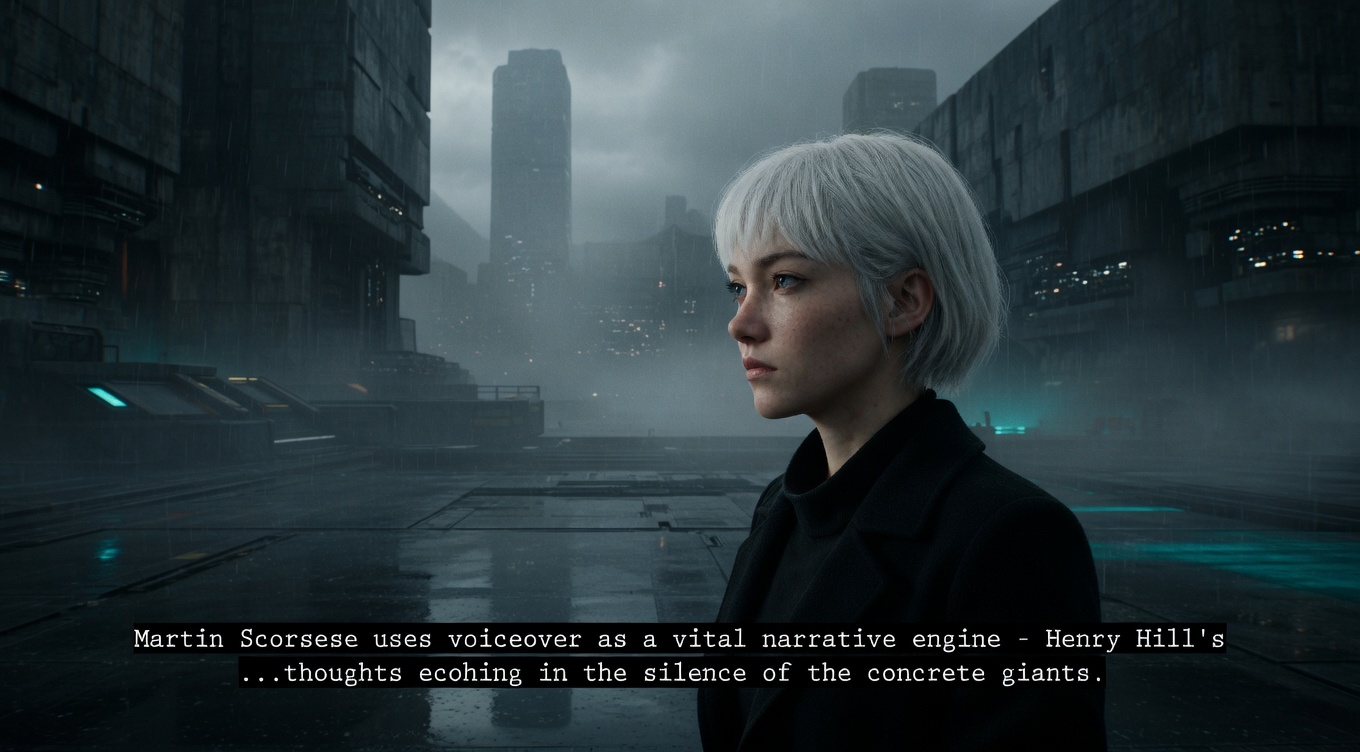
A character's voice speaking over the visuals, providing internal thoughts, context, or commentary that can create intimacy, irony, or an essay-like quality depending on tone. Martin Scorsese uses voi...

Scene designed to accompany voiceover narration with [Subject] in a contemplative visual, the imagery deliberately quiet and reflective to create space for an unseen narrator's voice, the visual mood introspective and open-ended, soft desaturated color palette, the Malick-Scorsese understanding that the right contemplative image paired with words creates something greater than either alone
Motif cinematic preview
Storytelling Intermediate

Motif

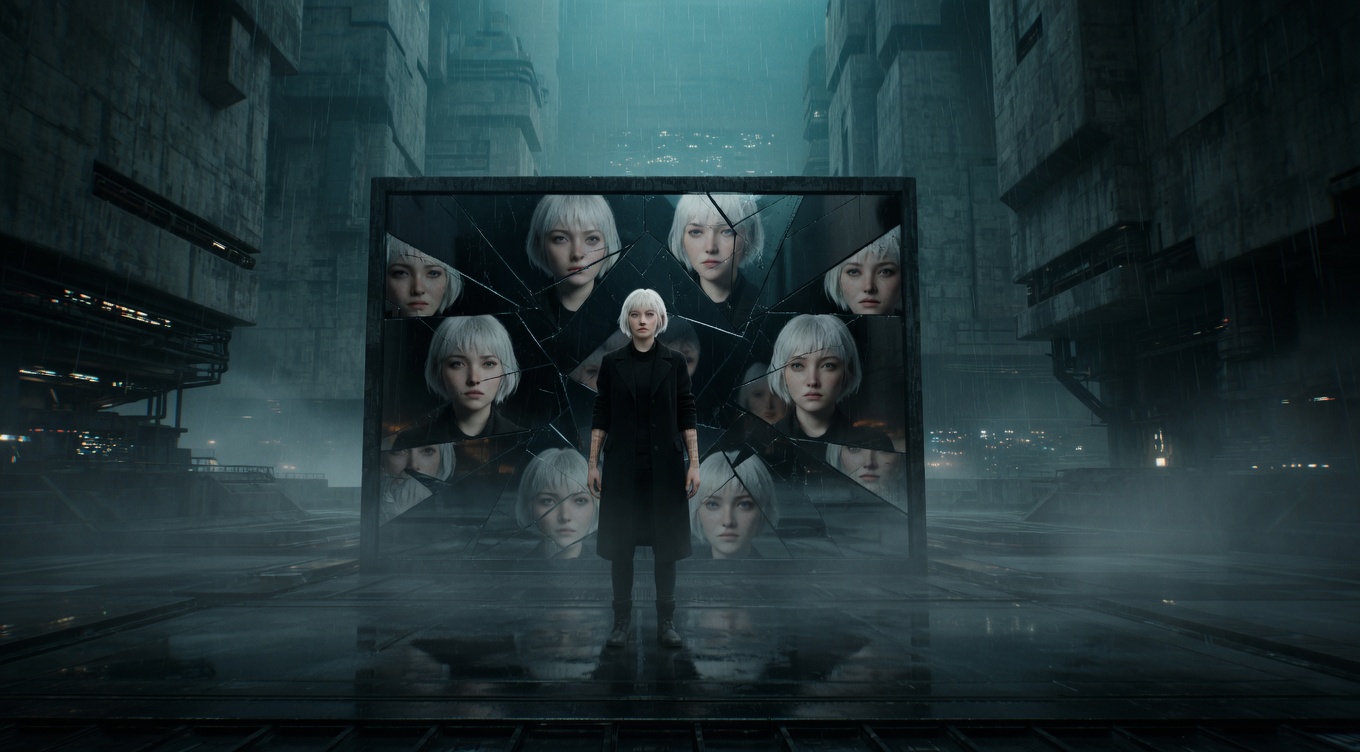
A recurring visual, audio, or narrative element that accumulates meaning through repetition — oranges in "The Godfather," mirrors in "Black Swan," water in "The Shape of Water" — patterns that become ...

Recurring visual motif with [Subject] appearing for the nth time in the narrative, the viewer now conditioned to feel a specific emotion at the sight, the seemingly mundane detail having accumulated devastating associative weight through repetition, the Coppola technique of training the audience to read a visual symbol through consistent placement, the motif's power residing in the accumulated pattern of meaning
Symbolism cinematic preview
Storytelling Intermediate

Symbolism

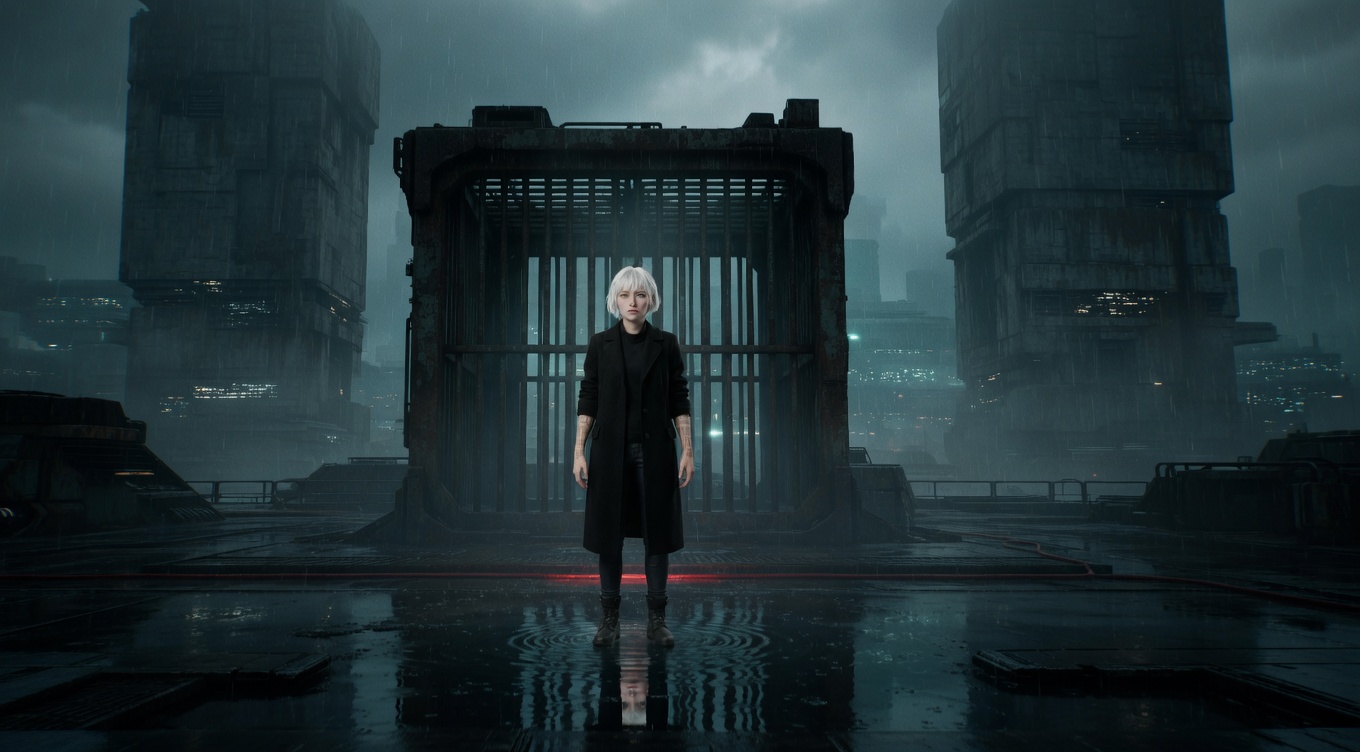
Using concrete visual elements to represent abstract ideas or themes — a cage for imprisonment, water for rebirth, red for passion or danger — the visual poetry of cinema. Andrei Tarkovsky filled his ...

Visual symbolism with [Subject] carrying abstract meaning beyond its literal form, the image precisely rendered to communicate truths that language cannot reach, the composition treating the symbol with the reverence of a monument — centered, solitary, given maximum visual space, the Tarkovsky understanding that a concrete image can channel the ineffable
Color Grading cinematic preview
Visual Effects & Promptable FX Intermediate

Color Grading

The process of altering and enhancing color in post-production to create a specific mood, era, or visual identity — the final paintbrush of cinema, transforming raw footage into visual art. The Coen B...

Heavily color-graded scene with [Subject] rendered in a distinct teal-and-orange complementary palette, shadows pushed deep into cyan-teal while skin tones and practicals isolated to deep amber-orange, the aggressive color manipulation where post-production color becomes a dominant creative force equal to the original photography, the final act of authorship in the filmmaking pipeline
Desaturation cinematic preview
Visual Effects & Promptable FX Basic

Desaturation

Reducing color intensity in the image, moving toward grayscale to create a bleak, documentary, or dreamlike quality — partial desaturation can isolate a single color for dramatic effect. Steven Spielb...

Desaturated scene with [Subject] approaching monochrome, all color drained to near-gray except for a single vivid element, the Spielberg "Schindler's List" technique of selective color isolation, the surrounding gray rendering the world as bleak while the single color insists that something vital remains, heavy desaturation in grading leaving only one color channel active
Sepia Tone cinematic preview
Visual Effects & Promptable FX Basic

Sepia Tone

A warm brownish-yellow color treatment that evokes aged photographs and historical periods, instantly signaling "the past" and adding a romantic, weathered quality. The sepia effect mimics the actual ...

Sepia-toned treatment on [Subject], the warm brownish-yellow transforming the image into what appears to be an aged photographic plate, the entire color spectrum collapsed into variations of amber and umber, highlights tinged with pale gold and shadows falling to chocolate brown, visible grain and slight vignetting reinforcing the antique quality, the universal visual language that tells the audience "this was a long time ago"
Film Grain cinematic preview
Visual Effects & Promptable FX Basic

Film Grain

The visible texture of chemical film stock — random variations in density and color that give analog footage its organic, tactile character, often added digitally for warmth and nostalgia. Christopher...

Heavy film grain visible on [Subject], the organic random texture of high-speed 35mm film stock pushed two stops in processing, each frame alive with dancing silver halide crystals, the grain coarser in shadows and finer in highlights, Kodak Vision3 500T texture that Tarantino and Nolan insist on preserving, the organic soul of celluloid in an increasingly digital world
Bokeh cinematic preview
Visual Effects & Promptable FX Basic

Bokeh

The aesthetic quality of out-of-focus areas, particularly light sources that become soft, circular orbs — beautiful bokeh creates a dreamy, luminous background that elevates any subject. The term come...

Beautiful bokeh behind [Subject], hundreds of out-of-focus light sources transformed into soft luminous orbs of color, each perfectly round from the wide-open aperture of a fast 85mm lens, the distinctive creamy rendering of a Zeiss or Leica lens where the out-of-focus transition is butter-smooth, the visual magic of shallow depth of field turning the background into an impressionist painting of light
Forced Perspective cinematic preview
Visual Effects & Promptable FX Intermediate

Forced Perspective

Using the relationship between camera position and object placement to create optical illusions of size — Hobbits appear small next to Gandalf through precise staging rather than CGI. Peter Jackson us...

Forced perspective illusion with [Subject] appearing impossibly large or small through precise camera alignment and placement, the depth of field deep enough that both near and far elements appear sharp, the lighting matching between foreground and background, the Peter Jackson technique of making the impossible look real without digital manipulation, just physics and precise alignment
Lens Distortion cinematic preview
Visual Effects & Promptable FX Intermediate

Lens Distortion

Optical aberrations from specific lenses that bend, stretch, or warp the image — wide-angle barrel distortion, anamorphic oval bokeh, or vintage lens flaring — each lens has a personality. Emmanuel Lu...

Lens distortion from a vintage anamorphic lens visible across [Subject], barrel distortion curving straight lines at frame edges into subtle arcs, oval-shaped bokeh, horizontal flare streaks, the edges softer and more swirled than the sharp center, chromatic aberration creating slight color fringing, the accumulated imperfections giving the image character that clinical modern lenses deliberately avoid
Morphing / Dissolve Effect cinematic preview
Visual Effects & Promptable FX Advanced

Morphing / Dissolve Effect

A digital transformation effect where one form smoothly dissolves, transmutes, or reshapes into another — character dissolving into particles, liquid metal transformation, ethereal dissolution, matter...

[Subject] caught mid-transformation, the form dissolving into particles or liquid or light, features simultaneously present and absent in a liminal state between two identities, the mathematical smoothness of digital morphing applied to the human form, even lighting ensuring the transformation reads cleanly, the unsettling beauty of identity in flux and matter in transition
Film Noir cinematic preview
Genres & Styles Intermediate

Film Noir

A genre defined by high-contrast black-and-white photography, urban settings, morally ambiguous characters, femme fatales, and a pervasive sense of cynicism and doom. Born from German Expressionist em...

Film noir aesthetic with [Subject] in high-contrast black and white, deep blacks and silvery highlights, venetian blind shadow patterns, neon signs reflected in rain puddles, shot on Kodak Double-X black and white stock with hard lighting creating razor shadows, the John Alton visual language of moral ambiguity expressed through the war between light and darkness
German Expressionism cinematic preview
Genres & Styles Advanced

German Expressionism

An early 20th-century movement using distorted sets, extreme shadows, and exaggerated angles to externalize inner psychological states — the visual DNA of modern horror and Tim Burton. Robert Wiene's ...

German Expressionism with [Subject] in deliberately distorted architecture, buildings leaning at impossible angles, shadows painted in sharp angular patterns that defy actual light sources, extreme contrast between blinding white and absolute black with no midtones, the Caligari aesthetic of a world bent by psychological torment, monochrome with exaggerated theatrical lighting
Cinéma Vérité cinematic preview
Genres & Styles Intermediate

Cinéma Vérité

A documentary approach using handheld cameras, natural lighting, and unscripted moments to capture truth — the camera is acknowledged as present, truth provoked rather than merely observed. Jean Rouch...

Cinema verite documentary moment with [Subject], handheld camera following the action, natural available light providing uncontrolled illumination, the framing imperfect and reactive, occasional focus hunting, the raw audio of the environment, the entire aesthetic committed to the principle that imperfection is authenticity, Super 16mm film grain, the Jean Rouch principle that the camera's presence provokes truth
French New Wave cinematic preview
Genres & Styles Intermediate

French New Wave

A 1960s movement that broke every rule — jump cuts, handheld cameras, location shooting, fourth-wall breaks, and a rebellious rejection of polished studio filmmaking, treating cinema as conversation. ...

French New Wave scene with [Subject] shot handheld on what appears to be stolen moments, the camera following with improvisational looseness, harsh midday sun creating unflattering but honest illumination, the composition casual rather than composed, the visual rebellion against studio perfection, high-contrast black and white on grainy 16mm stock, the Raoul Coutard handheld aesthetic
Surrealism cinematic preview
Genres & Styles Advanced

Surrealism

A movement drawing on dreams, the subconscious, and irrational imagery to create art that defies logic — melting clocks, impossible architecture, dream logic replacing narrative cause-and-effect. Luis...

Surrealist scene with [Subject] in a world where dream logic replaces physical reality, impossible elements presented with the matter-of-fact certainty of documentary, lighting impossibly motivated from sources that do not exist, the Bunuel-Lynch visual language where the subconscious mind's architecture is rendered as physical space, the unsettling beauty of a world where logic has been replaced by feeling
Found Footage cinematic preview
Genres & Styles Basic

Found Footage

A style presenting the film as discovered amateur or surveillance recordings — "The Blair Witch Project," "Paranormal Activity," the conceit that what you're watching is "real" raw footage. Ruggero De...

Found footage shot of [Subject] through a consumer-grade camera in night vision mode, the entire image in distinctive green-tinged infrared, the framing chaotic and uncontrolled, the footage corrupted with digital artifacts and compression blocks, timestamp running in the corner, the Blair Witch principle that what you cannot clearly see is infinitely more terrifying, the aesthetic of authenticity as horror's most effective weapon
Spaghetti Western cinematic preview
Genres & Styles Intermediate

Spaghetti Western

Italian-produced Westerns characterized by extreme close-ups, sweeping wide shots, Morricone-style scores, morally gray antiheroes, and a stylized, operatic approach to violence. Sergio Leone defined ...

Spaghetti Western standoff with [Subject], the camera alternating between extreme close-ups of squinting eyes and ultra-wide shots revealing vast empty space, dust devils spiraling through the frame, golden hour desert light casting long shadows, shot on Techniscope 2-perf 35mm for gritty widescreen, the Ennio Morricone tension of silence stretched to breaking point
Italian Neorealism cinematic preview
Genres & Styles Intermediate

Italian Neorealism

Post-war Italian movement using non-professional actors, real locations, and stories of everyday working-class life — raw, honest, and deeply humanist cinema stripped to its moral essentials. Roberto ...

Italian Neorealism with [Subject] on an actual working-class street, non-professional faces and authentic clothing, the real architecture providing the set, the camera observing at a respectful distance, natural overcast light providing flat honest illumination, black and white photography capturing poverty with dignity, the De Sica principle that reality itself is more dramatic than anything a screenwriter could invent
Dogme 95 cinematic preview
Genres & Styles Advanced

Dogme 95

A 1995 Danish manifesto demanding handheld cameras, natural lighting, real locations, no genre conventions, and no directorial credit — a radical purity movement that stripped cinema to its bones. Lar...

Dogme 95 aesthetic with [Subject] shot on a consumer camera with no additional lighting, harsh overhead fluorescent as the only illumination, color balance slightly off, handheld breathing movement, the radical commitment to zero artifice — no music, no effects, no genre, just human beings in real space, the Vinterberg-von Trier Vow of Chastity made visible
Mumblecore cinematic preview
Genres & Styles Basic

Mumblecore

Ultra-low-budget indie filmmaking focused on naturalistic dialogue, improvisation, and the awkwardness of young adult relationships — micro-budget intimacy as aesthetic. Andrew Bujalski's "Funny Ha Ha...

Mumblecore scene with [Subject] shot on what appears to be a consumer DSLR with available window light, the dialogue clearly improvised with interrupted sentences and awkward pauses, the framing functional rather than composed, the sound ambient and slightly echoey, the Bujalski-Swanberg aesthetic where lack of budget becomes the honesty of the image, naturalistic window light
Giallo cinematic preview
Genres & Styles Advanced

Giallo

Italian horror-thriller genre known for vivid color palettes, elaborate murder sequences, leather-gloved killers, and a heightened visual style that prioritizes aesthetic beauty over narrative logic. ...

Giallo-style scene with [Subject] drenched in vivid primary-color lighting, deep crimson from unseen sources, a pool of intense blue creating color boundaries where red meets blue in deep violet, the composition more concerned with aesthetic beauty than narrative logic, every frame designed as a painting, the Dario Argento principle that terror can be beautiful, the saturated primary colors of "Suspiria"
Mockumentary cinematic preview
Genres & Styles Basic

Mockumentary

A fictional film presented in documentary style — talking head interviews, observational camera work, title cards — creating comedy through the contrast between the serious form and absurd content. Ro...

Mockumentary talking head interview with [Subject] looking slightly off-camera to an unseen interviewer, standard documentary medium close-up with unflattering fluorescent lighting, the documentary format treating the setting with the visual gravity of a war correspondent's confession, handheld camera occasionally reframing to maintain the documentary illusion, the Christopher Guest understanding that absurd comedy requires deadpan documentary treatment
Poetic Realism cinematic preview
Genres & Styles Advanced

Poetic Realism

A 1930s French movement blending realistic working-class settings with lyrical, dreamlike visual beauty — finding poetry in the mundane through fog-wrapped docks, rain on cobblestones, and melancholy ...

Poetic realism with [Subject] rendered in heartbreaking lyrical beauty, fog softening every hard edge into dreamlike haze, the ordinary transformed into visual poetry by atmosphere, the Marcel Carne understanding that working-class life contains as much beauty and melancholy as any aristocratic drama, soft black and white with rich midtones, fog itself becoming the emotional texture of longing
Slow Cinema cinematic preview
Genres & Styles Advanced

Slow Cinema

A contemporary movement embracing extremely long takes, minimal dialogue, and patient observation that challenges the viewer to slow down, observe, and find meaning in duration itself. Andrei Tarkovsk...

Slow cinema with [Subject] in a single unbroken composition, the camera absolutely still observing with infinite patience, the only movement gradual shifting of natural light, duration itself becoming the subject, natural overcast daylight providing soft even illumination, the Tarkovsky-Bela Tarr discipline of trusting that observation is enough, that the passage of real time is cinema's most radical subject
Tech Noir cinematic preview
Genres & Styles Intermediate

Tech Noir

A hybrid genre fusing film noir aesthetics with science fiction — rain-soaked neon cities, morally ambiguous protagonists navigating high-tech dystopias, and the existential dread of noir transplanted...

Tech noir scene with [Subject] in a rain-soaked neon-lit dystopia, the hard shadows and moral ambiguity of classic noir transplanted into a high-tech future, reflections of holographic advertisements in wet pavement, the loneliness of Blade Runner, anamorphic lens flares streaking through rain, cold blue and hot orange competing in every frame, smoke and vapor caught in shafts of artificial light
Wuxia cinematic preview
Genres & Styles Advanced

Wuxia

A Chinese genre centered on martial arts warriors bound by codes of honor, featuring gravity-defying combat choreography, flowing silk costumes, and painterly landscapes. Ang Lee's "Crouching Tiger, H...

Wuxia style with [Subject] in gravity-defying motion, robes and fabric trailing like calligraphy strokes through the air, the fight-as-dance choreography of Ang Lee and Zhang Yimou, painterly natural landscape behind — bamboo forests or misty mountains, the action frozen at its most balletic moment, Kodak Vision3 250D warmth, the poetry of martial arts rendered as visual art
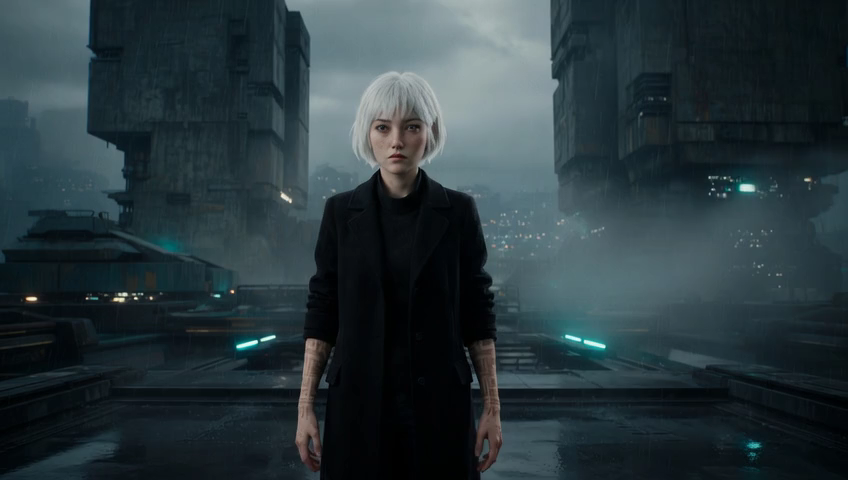
Acid Western cinematic preview
Genres & Styles Advanced

Acid Western

A psychedelic subversion of the Western genre that replaces manifest destiny optimism with hallucinatory existentialism. Alejandro Jodorowsky's "El Topo" (1970) invented the form — a mystical gunfight...

Acid western with [Subject] in a vast surreal desert landscape, the familiar Western iconography distorted through a psychedelic lens, oversaturated sky bleeding unnatural colors, dust and heat haze warping the horizon, Jodorowsky's mysticism meets Jarmusch's deadpan, a lone figure in an existential void that was once the frontier, 16mm film grain, the American myth turned hallucinatory
Southern Gothic cinematic preview
Genres & Styles Intermediate

Southern Gothic

A genre steeped in decay, moral corruption, and the haunted atmosphere of the American South — crumbling plantation houses, Spanish moss, oppressive humidity, and characters burdened by dark histories...

Southern Gothic atmosphere with [Subject] amid crumbling architecture and encroaching nature, Spanish moss hanging like curtains, golden diffused light filtering through dirty windows, the beauty of decay, oppressive warmth visible in the thick humid air, Kodak Vision3 250D pushed warm, overexposed highlights bleeding into shadow, the weight of history in every peeling surface, Laughton's dreamlike menace
Vaporwave Aesthetic cinematic preview
Genres & Styles Basic

Vaporwave Aesthetic

A visual style born from internet culture that repurposes 1980s and 90s commercial aesthetics — glitch art, neon pink and cyan gradients, retro computer interfaces, marble busts, Japanese text, and VH...

Vaporwave aesthetic with [Subject] bathed in neon pink and cyan gradient lighting, retro digital artifacts and scan lines overlaid, reflective chrome and glass surfaces, the nostalgic melancholy of a 1990s shopping mall at closing time, VHS color bleeding and tracking errors, palm trees and marble columns, the beauty of obsolete technology, everything slightly too saturated and slightly too perfect
Cosmic Horror cinematic preview
Genres & Styles Advanced

Cosmic Horror

A visual approach to the unknowable and incomprehensible — vast entities beyond human understanding, non-Euclidean geometry, and the terror of insignificance in an indifferent universe. Inspired by H....

Cosmic horror atmosphere with [Subject] dwarfed by something vast and incomprehensible at the edge of the frame, non-Euclidean geometry subtly wrong in the architecture, the Annihilation shimmer distorting organic forms, scale that makes the human figure irrelevant, deep shadow concealing shapes that should not exist, cold clinical lighting that reveals too much, the terror of understanding how small you are
/ AI PROJECT ASSISTANT GUIDED + CUSTOM

Tell the
robot
what you
need.

Choose a production route or write your own request. The assistant adapts the next questions, captures scale, timing and budget, then converts the conversation into a studio-ready brief.

Start conversation
AChau AI 3D Robot Assistant
ACHAU / AI ASSISTANT ASSISTANT / ONLINE
AChau AI Assistant
Vietnam time / online
STEP 01/06 CREATIVE PRODUCTION
Good evening. I'm the AChau AI Assistant. I can help turn your idea into a production-ready brief.
What can I help you create today? Choose a starting point below, or type your own request.
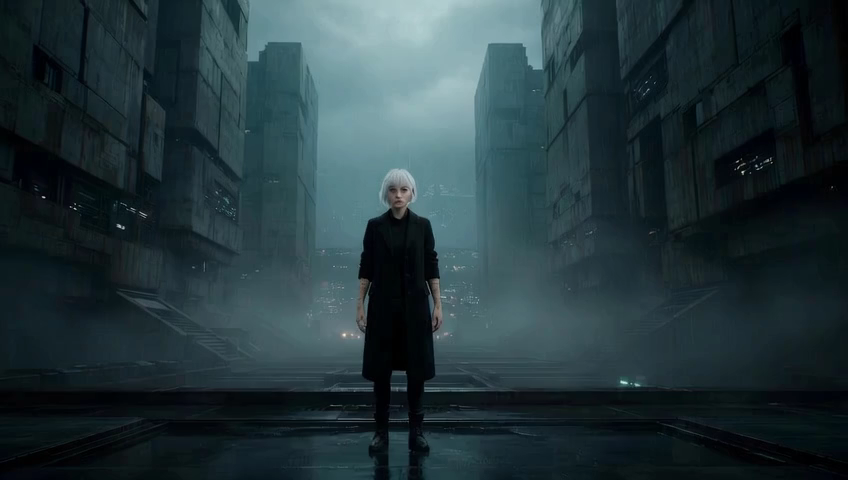
ACHAU AI CREATIVE STUDIO ✦ TẠO ẢNH NGHỆ THUẬT & THƯƠNG MẠI AI ✧ COMFYUI PRODUCTION PIPELINE ✦ SẢN XUẤT VIDEO AI & MOTION TVC ✧ FLUX & MIDJOURNEY ARCHITECTURE ✦ RUNWAY GEN-3 & KLING AI ✧ KIẾN TẠO TƯƠNG LAI CÙNG AI ✦ ENTERPRISE CREATIVE SYSTEMS ✧ ĐẲNG CẤP THỊ GIÁC QUỐC TẾ ✦
GOOGLE APPS SCRIPT WEB APP ✧ TỰ ĐỘNG HÓA DOANH NGHIỆP TOÀN DIỆN ✦ SUB-SECOND INFERENCE LATENCY ✧ BẢO MẬT DỮ LIỆU ĐỘC QUYỀN & NDA ✦ AUTONOMOUS MULTI-AGENT SWARMS ✧ ĐỒNG BỘ GOOGLE SHEETS CMS ✦ CHUẨN MỰC THIẾT KẾ AI 2026 ✧ KẾT NỐI API & HỆ THỐNG CLOUD ✦ TƯ DUY KỸ THUẬT TIÊN PHONG ✧
Action completed successfully